Choosing the right dog starts with one big decision: picking the gender that best fits your lifestyle. When comparing a male vs female German Shepherd, the differences go far beyond simple anatomy. While both offer the breed’s legendary loyalty and intelligence, their distinct temperaments, sizes, and maturation speeds can drastically change your ownership experience.
Whether you need a high-drive protector or a nurturing family companion, understanding these nuances is critical. This guide breaks down every essential factor, from physical stature and training needs to territorial instincts, to help you confidently decide which GSD is right for your home.
Quick Comparison
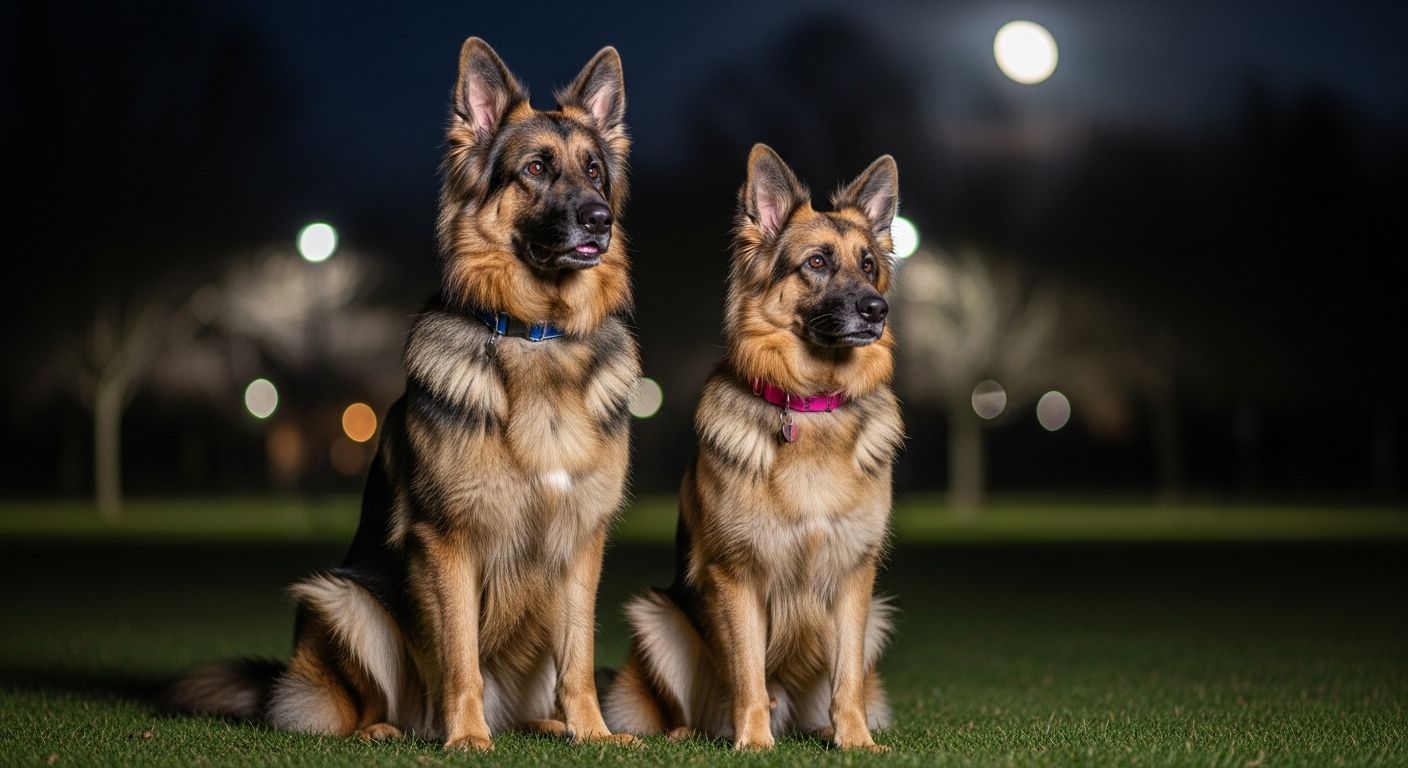
Before diving into the details, let's start with a high-level overview. These generalities provide a foundation for understanding how sex can influence a German Shepherd's characteristics.
Size Differences
- Male German Shepherds are generally larger, standing 24-26 inches at the shoulder and weighing between 65 and 90 pounds.
- Female German Shepherds are typically smaller and lighter, measuring 22-24 inches tall and weighing 50 to 70 pounds.
Temperament Differences
- Males often display more assertive, dominant, and territorial behaviors. They can be more playful and goofy but may also be more easily distracted and mature mentally at a slower pace. Many males form an incredibly strong bond with a single primary handler.
- Females tend to be more nurturing, gentle, and family-oriented, often bonding with everyone in the household. They generally mature faster, have better attention spans, and are sometimes described as more attuned to their owner's emotions.
Both sexes require consistent training from a young age. The most notable biological difference is that intact females go into heat approximately every six months, while intact males are fertile year-round.
Physical Traits
One of the most apparent differences between a male vs female German Shepherd is physical stature. These distinctions affect their overall presence, handling requirements, and daily care.
Height & Weight
As established by the American Kennel Club (AKC) breed standards, males are noticeably larger than females.
- Males: 24–26 inches (61–66 cm) tall | 65–90 pounds (30–41 kg)
- Females: 22–24 inches (56–61 cm) tall | 50–70 pounds (23–32 kg)
This size difference means a male GSD can be a much more physically imposing dog, which is a key consideration for handling, living space, and even food costs.
Growth Rates
Both sexes grow rapidly, reaching about 70% of their adult size by the six-month mark. To track this development, you can reference a growth chart to ensure your puppy is on track. Most German Shepherds will reach their full adult height by 12 to 18 months.
Expert Tip: After reaching their final height, German Shepherds continue to fill out, gaining muscle and maturing into their adult form. Males often take longer, continuing to develop until they are 2.5 or even 3 years old. Females typically reach their full adult physique by around age 2.
Body Structure
Beyond the numbers, their overall build differs significantly.
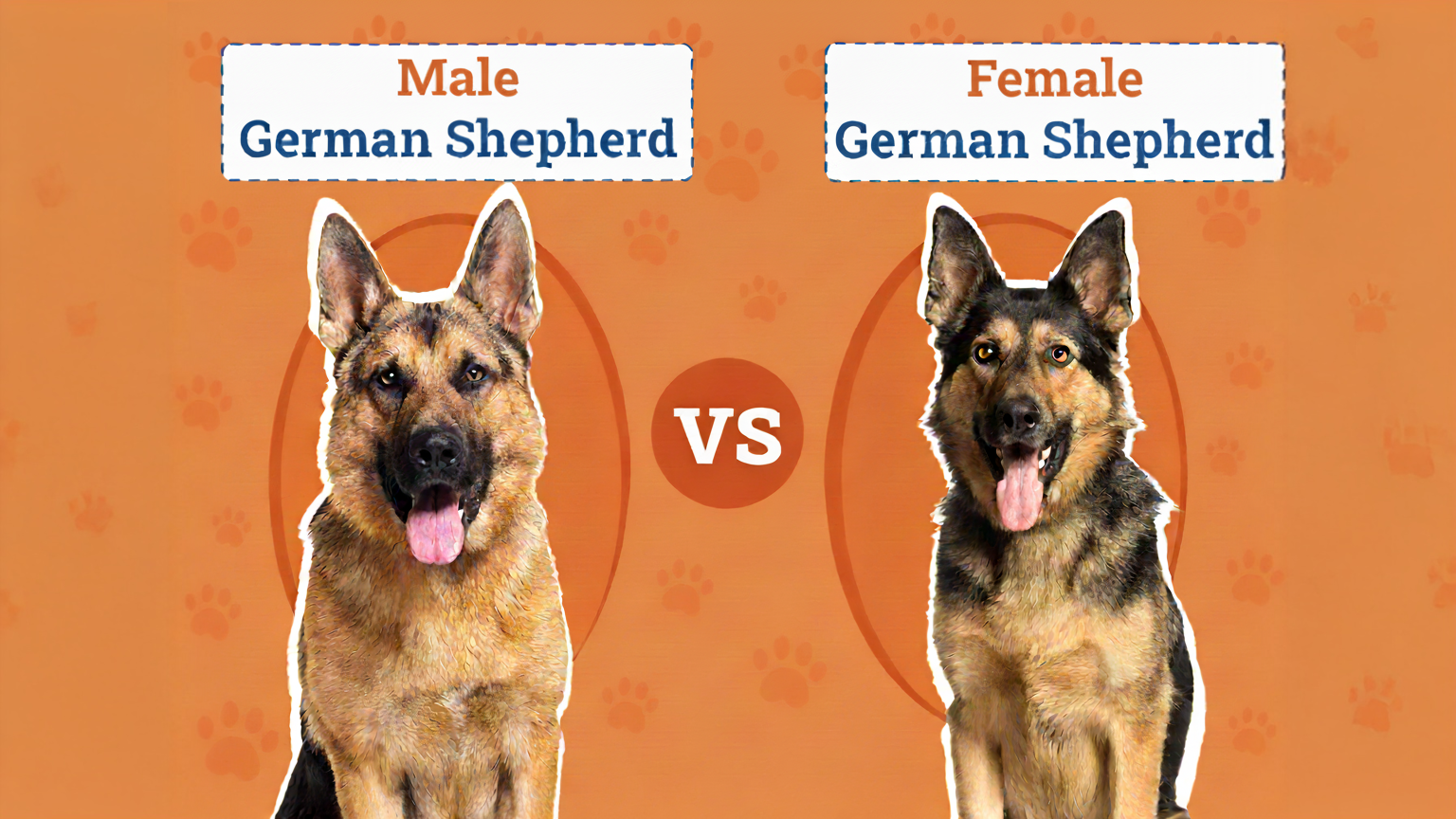
Male German Shepherds are built for power. They have a broader, heavier-boned frame with a deeper chest and more substantial musculature. Their heads are typically larger and more blocky, giving them a commanding and formidable appearance.
Female German Shepherds, in contrast, tend to have a sleeker, more refined build. Their bone structure is finer, and their musculature is less bulky, contributing to a more agile and elegant look. Their heads are often narrower with more delicate facial features.
Temperament & Behavior
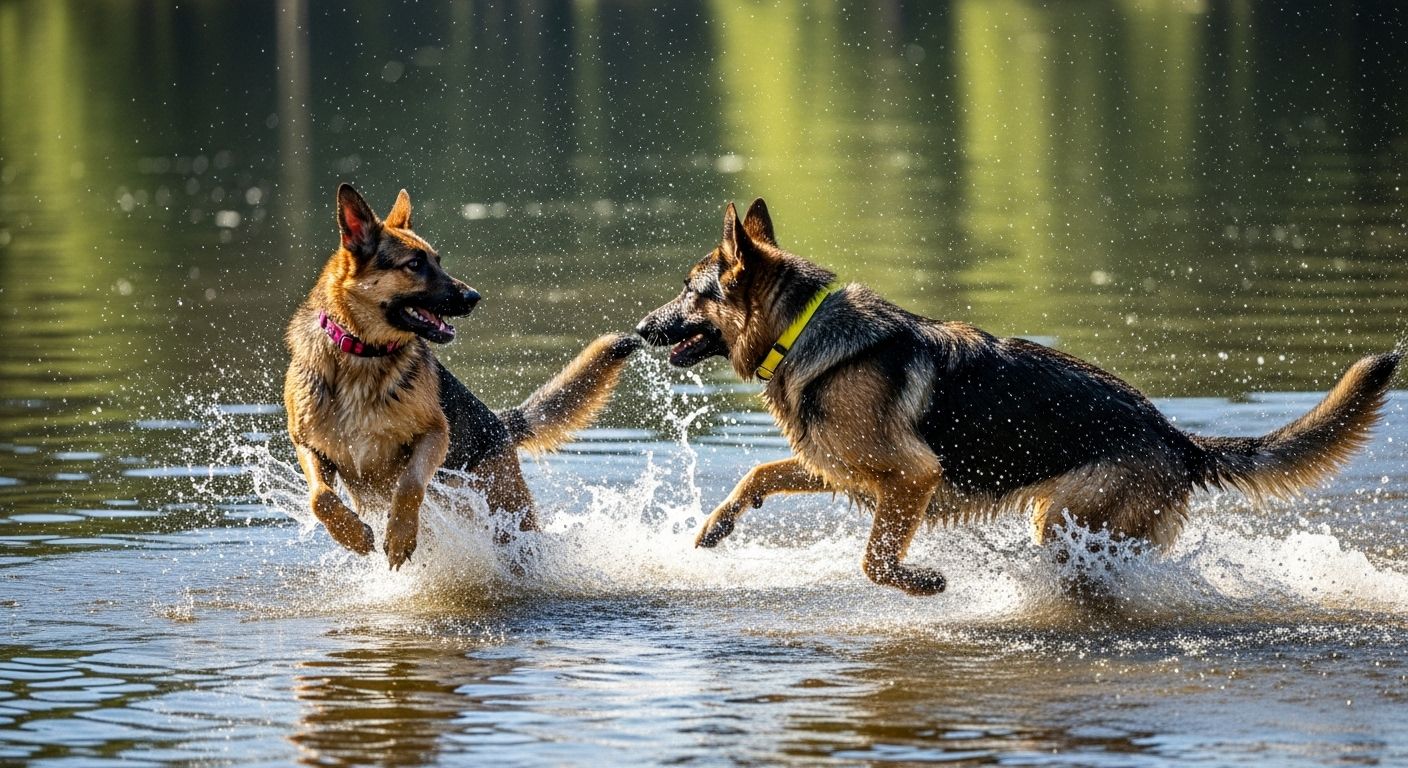
While size is easy to measure, temperament is more nuanced. A well-bred female from a working line could be more assertive than a male from a show line. Always consider the individual dog's personality.
Maturity & Energy
- Maturity: Females tend to mature mentally and emotionally faster than males. This can make them more receptive to training at an earlier age. Males often have a longer "puppy" or "teenage" phase, which can come with stubborn behaviors that require extra patience.
- Energy: Males are often described as having slightly higher energy levels. Their play style can be more boisterous, which is important to consider in households with small children. Females typically have a calmer, more balanced energy.
Territorial Instincts
- Dominance: Males are more likely to exhibit dominant or assertive behaviors, especially around other male dogs. They may be more possessive of food or toys, a behavior known as resource guarding. While females can also be assertive, they are generally less prone to overt dominance challenges.
- Territoriality: The instinct to guard is strong in both, but it often manifests differently. Males tend to be more territorial over property, the house, the yard, the car. Females are often more protective of their "pack" or family members than of physical spaces. It is important to desensitize a dog to strangers early to manage these instincts properly.
Bonding Styles
Both sexes are known for their loyalty, but their styles of affection can differ.
- Males often form an exceptionally deep bond with one person, who they may see as their primary handler. While they will be friendly and protective of the entire family, their focus can be very singular.
- Females frequently bond strongly with the whole family. They are often described as more nurturing and emotionally attuned, readily offering affection to all members of their pack.
Independence Levels
- Males can sometimes be more challenging to train due to their independent nature and shorter attention spans. Their assertiveness requires a confident handler who can provide clear, consistent direction.
- Females are often more eager to please and have a better attention span, which can make them excel in obedience and agility training. They tend to stay closer to their handlers and are generally more responsive.
Training Potential
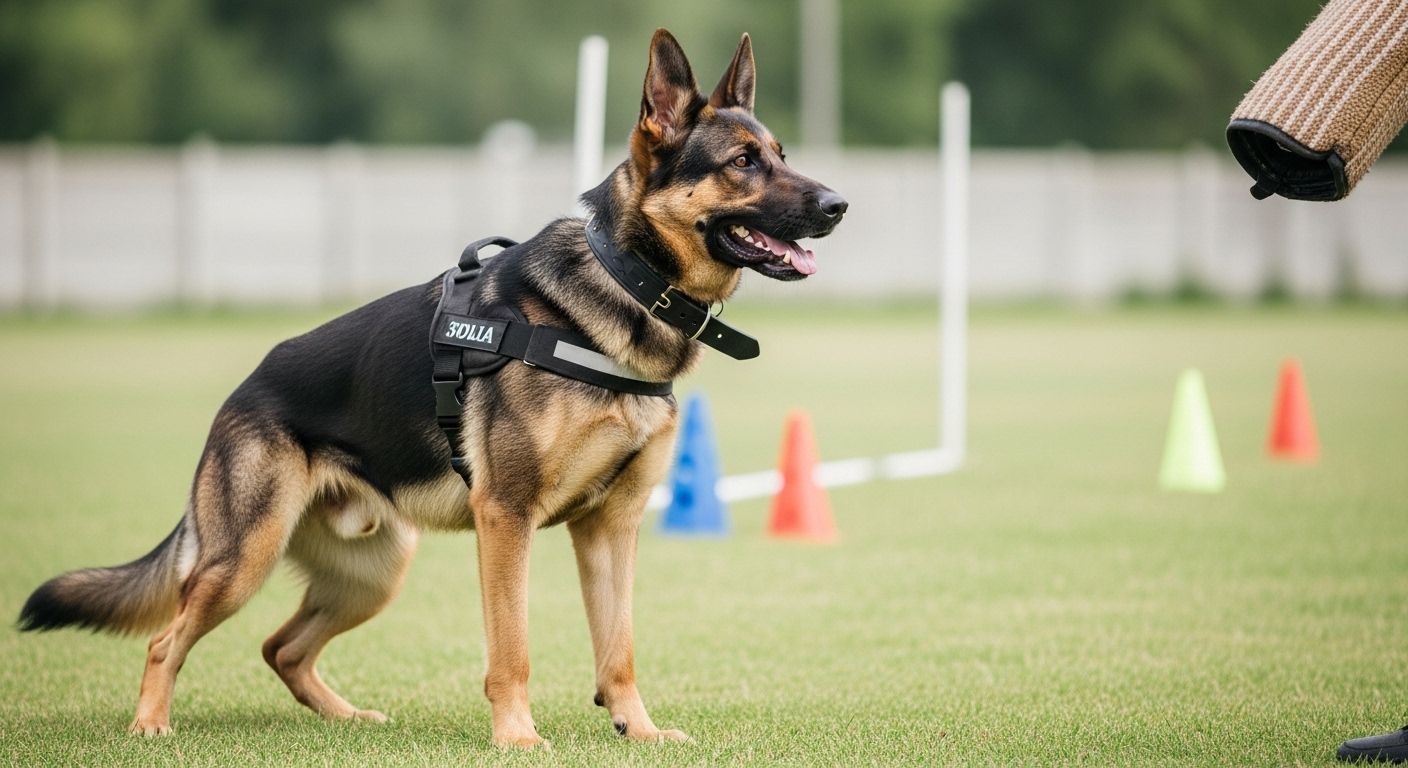
As one of the world's premier working breeds, German Shepherds are born to have a job. How their sex influences their trainability and suitability for certain roles is a key factor for many owners.
Focus & Learning
While both sexes are highly intelligent, their learning styles can vary.
Females are often considered easier to train, especially for first-time GSD owners. Their quicker emotional maturity and eagerness to please mean they are often receptive to training from a very young age. This focus helps them master commands like heel faster than their male counterparts.
Males, with their independent streak, may require a firmer and more patient handler. They can be more easily distracted by their environment, whether it's a squirrel in the yard or a potential threat down the street. Consistent, engaging training is key to keeping their attention.
Ideal Jobs
Different traits make each sex naturally suited for specific types of work, though with proper training, either can excel in nearly any role.
- Protection & Law Enforcement: Males are frequently chosen for police, military, and personal protection work. Their larger size, imposing presence, and assertive nature make them natural guardians.
- Agility & Obedience Sports: Females often shine in activities that require speed, precision, and a high degree of focus. Their smaller, more agile build is a physical asset in agility, while their eagerness to please makes them strong competitors in obedience trials.
- Family & Therapy Roles: With their gentler and more nurturing disposition, females are often a natural fit for roles as family companions or therapy dogs. A well-trained male can also be a wonderful family dog, particularly for active, experienced owners.
Family Compatibility
How does a German Shepherd fit into daily family life? Here’s how the male vs female German Shepherd comparison plays out in a home environment.
Child Safety
Both sexes can be fantastic companions for children when raised and socialized properly.
- Females are often recommended for families with small children due to their typically gentler and more patient nature.
- Males can be wonderful, playful protectors, but their larger size and boisterous energy mean that supervision is always essential to prevent accidental knock-downs during rough play.
Multi-Pet Homes
Introducing a German Shepherd into a multi-pet household requires careful management, regardless of sex.
- Males may show more dominance-related aggression toward other male dogs. Early and thorough socialization is critical.
- Females are often more adaptable with other pets, though some may be unwelcoming to new animals that challenge their position in the family hierarchy.
- General Rule: An opposite-sex pairing (one male, one female) often leads to the most harmonious relationship in a multi-dog home.
Care Requirements
German Shepherds are active, intelligent dogs that require significant commitment.
- Exercise: Both sexes need at least 1.5 to 2 hours of vigorous exercise and mental stimulation daily. A bored GSD is often a destructive GSD.
- Grooming: Their thick double coat sheds constantly and "blows" (sheds profusely) twice a year. Read our guide on German Shepherd shedding to learn how to manage the fur. Regular brushing is required for both males and females to prevent mats.
- Health: The breed is prone to certain GSD health problems like hip and elbow dysplasia. Unspayed females are at risk for pyometra (a uterine infection), while unneutered males can have their own reproductive health issues.
Making Your Choice
So, after weighing all the factors, should you get a male or a female? The final decision depends on your experience, lifestyle, and goals.
Choosing a Male
A male might be the right choice if:
- You want a more physically imposing dog for protection or as a visual deterrent.
- You are an experienced, confident handler who can provide firm and consistent leadership.
- You have an active lifestyle and can provide the strenuous exercise and mental stimulation a high-energy male requires.
- You appreciate a more goofy, playful, and independent personality.
Choosing a Female
A female might be a better fit if:
- You are a first-time German Shepherd owner or prefer a slightly easier-to-manage dog.
- You have a family with small children and value a gentler, more nurturing temperament.
- You are interested in dog sports like agility, where her focus and nimbleness would be an asset.
- You prefer a companion that bonds closely with the entire family.
Spaying & Neutering
Your decision to spay or neuter your dog will significantly impact its behavior.
Neutering a male can reduce or eliminate testosterone-driven behaviors like territorial marking, roaming, and aggression toward other males. It will not, however, change his core personality. Spaying a female eliminates her heat cycles, the risk of pyometra, and the unwanted attention of male dogs.
Important Health Note: There is growing evidence that spaying or neutering large-breed dogs like German Shepherds too early can increase the risk of joint disorders. Studies from UC Davis suggest delaying the procedure until the dog is fully grown. It is essential to discuss the appropriate timing with your veterinarian and a reputable breeder.
In the end, the choice between a male vs female German Shepherd is personal. While there are clear trends in size and temperament, the most important factors are the quality of the breeder, the individual puppy's personality, and the commitment you make to training and socialization. Make sure you provide the best dog food for your puppy to give them the best start in life, regardless of their sex.