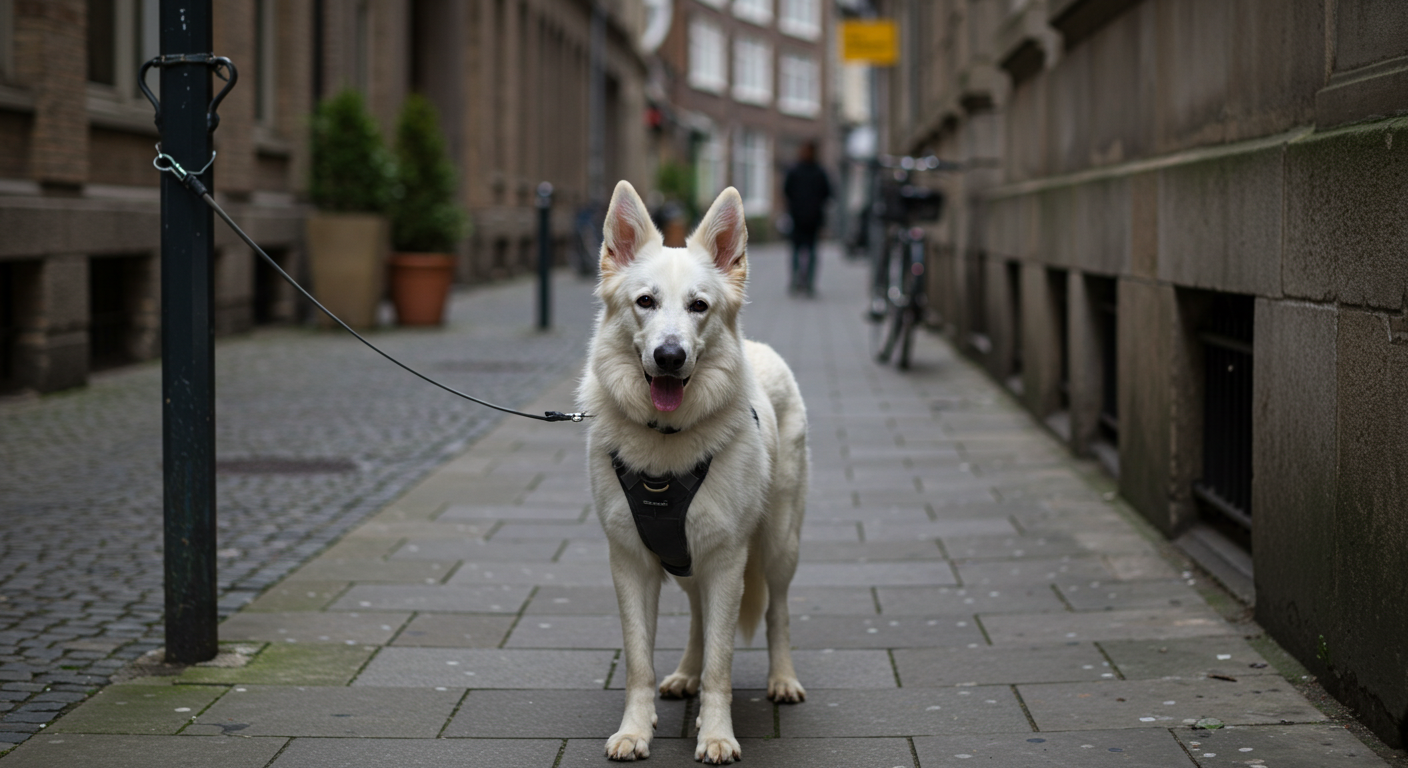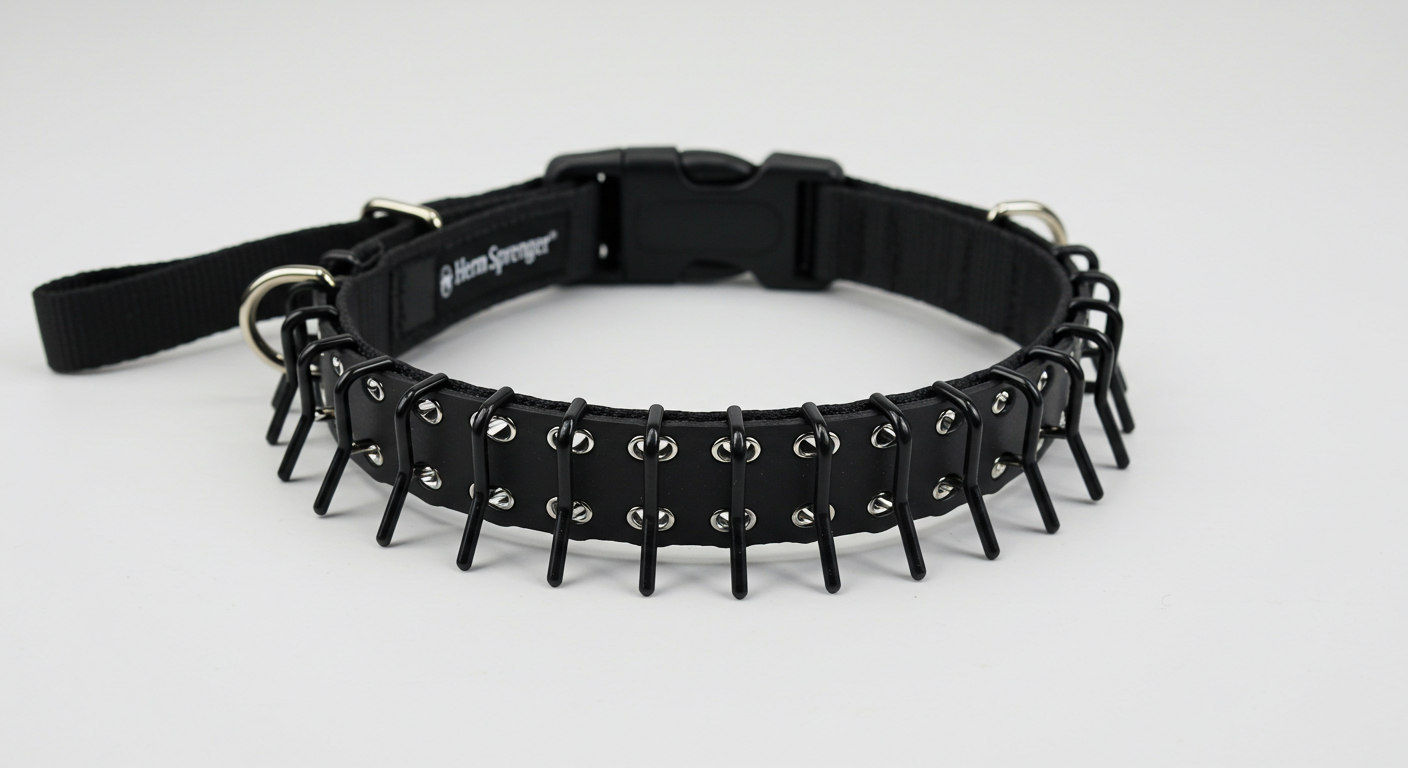
As a devoted pet owner, asking are prong collars cruel is a sign you care deeply about your dog's well-being. The debate surrounding prong collar training is intense, especially when you are managing a powerful dog that drags you down the street. It is difficult to navigate the conflicting advice between traditional methods and modern behavioral science.
This guide cuts through the noise to answer the critical question: do prong collars hurt dogs? We will explore the mechanics of the prong dog collar, the potential physical and emotional risks involved, and the proven humane alternatives available. By the end, you will have the facts needed to make an informed, compassionate decision for your canine companion.
Prong Collar Mechanics
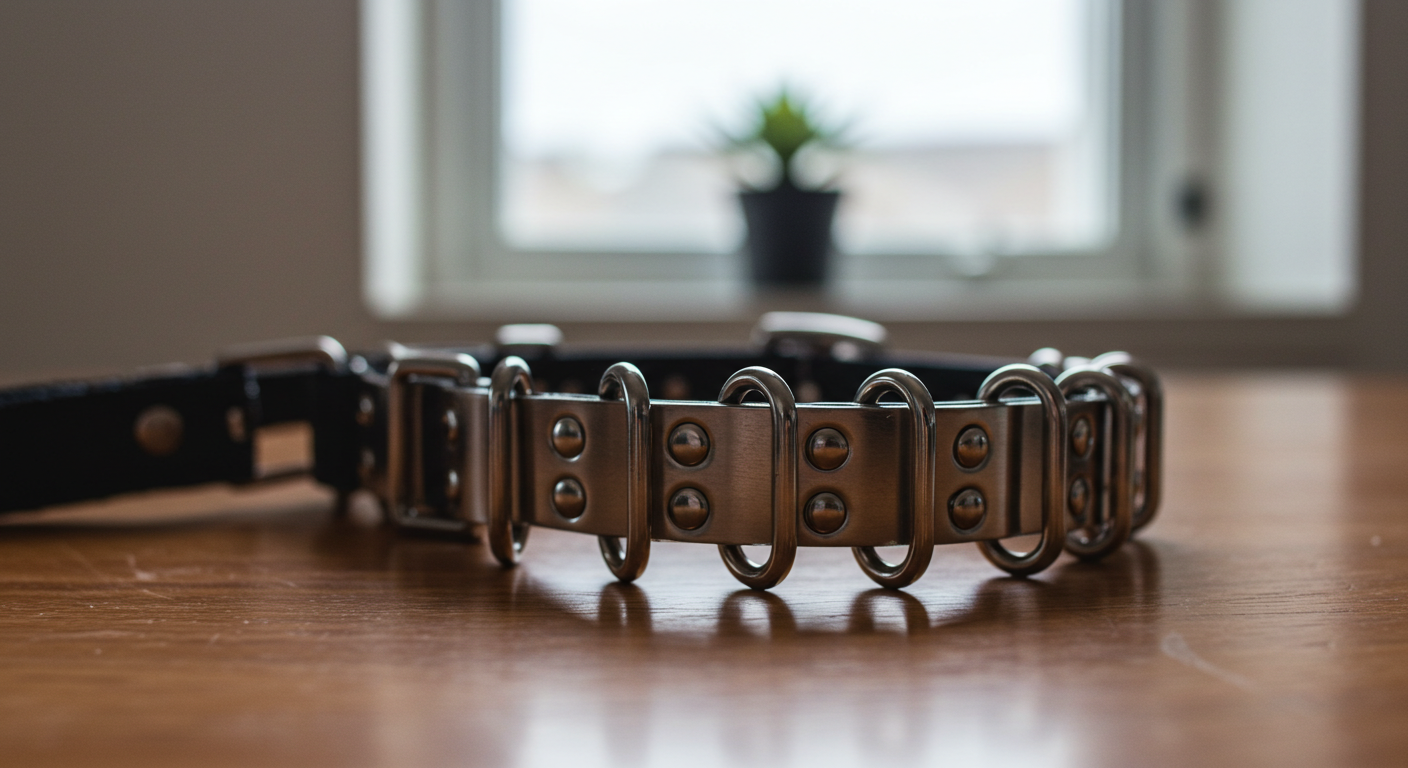
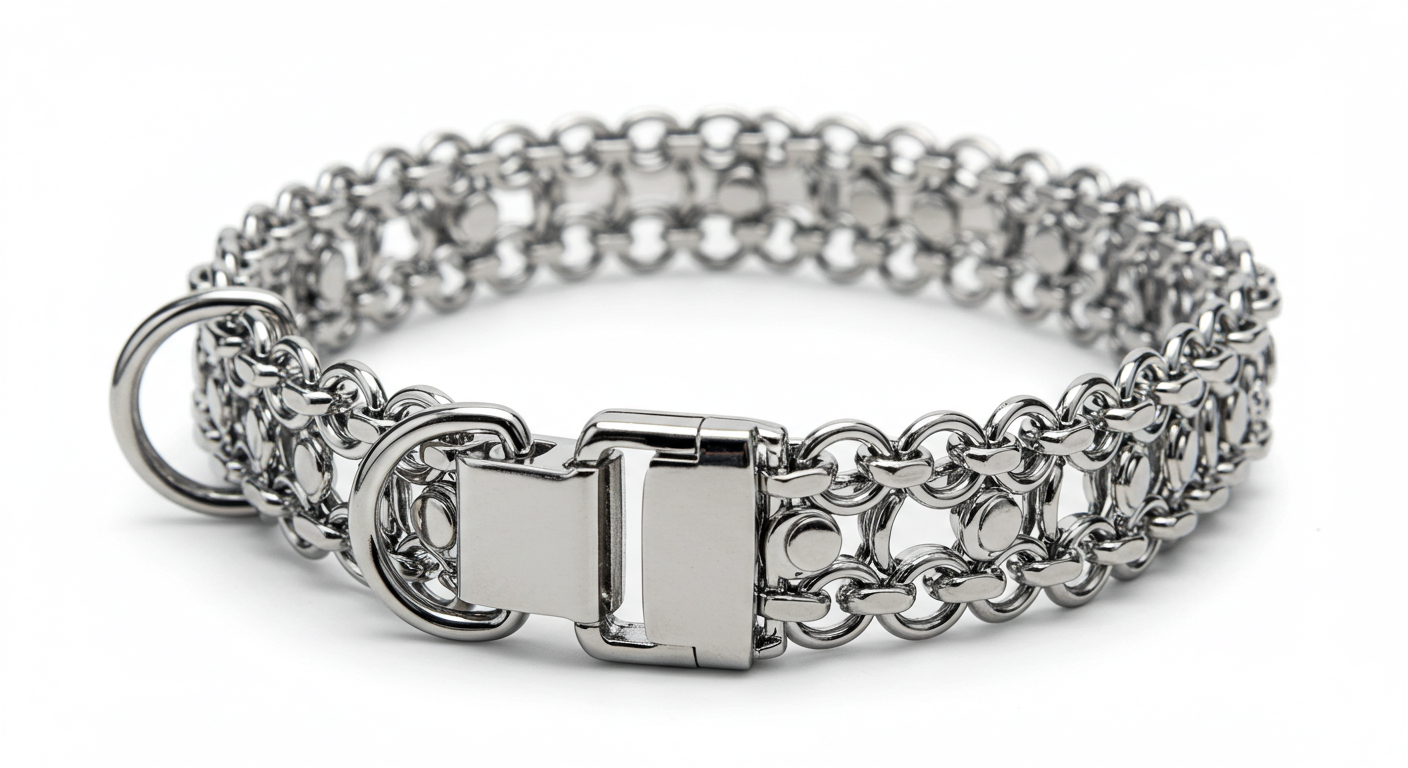
Before forming an opinion, it is essential to understand exactly how a prong collar (often called a pinch collar) functions. These prong collars for dogs are typically metal chains composed of interlinked segments, each ending in blunt prongs directed toward the dog's neck. When the dog pulls or lunges, the collar tightens, driving the prongs into the skin.
Proponents argue this design mimics a mother dog’s correction and provides even pressure distribution. However, critics and veterinary experts point out that the mechanism is inherently aversive. If you are struggling with leash control, there are methods to stop a dog from pulling on the leash that do not rely on this tightening mechanism.
Let’s be real: the bigger question isn’t just how these collars look, it’s how they affect your dog’s welfare, your training goals, and the relationship you share.
The Cruelty Debate
At the core of the issue is whether are prong collars cruel and if they cause genuine suffering. To determine if do prong collars hurt dogs physically or emotionally, we must look at the veterinary data and behavioral studies.
Physical Health Risks
While some argue that prong collars for training are safe when fitted "correctly," the margin for error is slim. Veterinary professionals frequently warn about the following injuries associated with prong collars for dogs:
- Skin Trauma: Prongs can cause bruises, punctures, or skin abrasions if the collar slips or is worn too long.
- Throat Damage: Constant tightening puts dangerous pressure on the trachea and thyroid, potentially leading to long-term health issues.
- Pain Response: The collar functions by inflicting discomfort; without the "pinch," it would not work as designed.
- Infection Risk: Extended wear can lead to skin breakdown and infection.
Understanding common health problems helps owners realize why protecting the sensitive neck area is vital for longevity.
Emotional Side Effects
The answer to "do prong collars hurt dogs?" extends beyond physical pain. The psychological impact of aversive tools can be profound:
- Anxiety Association: Dogs may link the pain of the correction to the sight of other dogs or strangers, increasing reactivity.
- Behavior Suppression: A dog may stop pulling out of fear, not because they understand the command.
- Aggression: Pain-based training can trigger fear aggression or a "fight back" response.
Research increasingly shows that a prong dog collar can damage the human-animal bond, whereas positive reinforcement builds trust.
Potential Benefits
Is there ever a justification? Some trainers argue that prong collars for dogs prevent strong breeds from dragging owners into traffic, acting as "power steering." They claim it is safer than a standard choke chain. However, reliance on these tools often masks the need for foundational obedience work, such as learning how to heel properly without physical coercion.
So what’s the real dilemma? It’s deciding whether any short-term gain is worth the potential pain, distress, or damage to the bond you share with your dog.
Expert Opinions
The dog training industry is divided on the use of prong collars for training. Here is a breakdown of where professionals stand:
Supporters
- Control: Believe it provides necessary control for large, powerful breeds.
- Safety: Argue it distributes pressure better than a thin slip lead.
- Last Resort: View it as a tool to prevent surrender for difficult dog-owner pairs.
Critics
- Welfare Concerns: Organizations like the American Veterinary Society of Animal Behavior (AVSAB) strongly recommend against aversive training methods.
- Risk of Aggression: Cite studies linking pain to increased biting incidents.
- Better Methods: Advocate for positive reinforcement and equipment like the best dog training equipment that focuses on rewards rather than punishment.
Legal Status
Globally, the consensus is shifting. Prong collars are banned or restricted in countries like New Zealand, Austria, and parts of Australia. These bans reflect a growing understanding that prong dog collar usage is often unnecessary and inhumane.
Common Myths Debunked
If you are researching how to use a prong collar, you have likely encountered misinformation. Let’s clarify the realities:
Myth: "Thick Necks Don't Feel Pain"
Reality: A dog’s neck is highly sensitive, containing nerves, glands, and the windpipe. They feel the pinch, but they may suppress their reaction.
Myth: "It's Necessary for Strong Dogs"
Reality: Even the largest breeds can be trained using reward-based methods. Clicker training is effective for dogs of all sizes.
Myth: "My Dog Doesn't Mind"
Reality: Dogs often tolerate pain silently. A lack of yelping does not mean the prong collar on a dog isn't causing stress or physical discomfort.
Myth: "It Mimics a Mother Dog"
Reality: Mother dogs do not use metal spikes to correct puppies. This is an anthropomorphic justification for using aversive tools.
Humane Alternatives

If you are worried that do prong collars hurt dogs, rest assured there are effective, pain-free ways to train.
Reward-Based Training
- Positive Reinforcement: Focuses on rewarding desired behaviors with treats, praise, and play.
- Trust Building: Creates a partnership rather than a dictatorship.
- Safety: Eliminates the risk of neck injuries and fear-based aggression.
Better Equipment
- Martingale Collars: These tighten slightly to prevent slipping out but do not choke or pinch.
- Front-Clip Harnesses: Mechanically redirect the dog toward you when they pull, without pain.
- Head Halters: Provide control over the dog's head, similar to a horse halter, for maximum leverage with minimal force.
It’s not about just slapping on a new gadget. Combine kinder tools with positive training for the best results.
Transitioning Away
Moving away from a prong collar to a force-free lifestyle is a rewarding journey. If you want to know how to use a prong collar less or stop entirely, follow this plan:
- Switch Gear: Replace the prong with a front-clip harness or head halter immediately.
- Re-teach Basics: Go back to basics in a low-distraction environment. Use high-value rewards.
- Manage Environment: Avoid situations where your dog is likely to lunge until their training is solid.
- Professional Help: Hire a trainer who specializes in positive reinforcement to help you troubleshoot.
When people ask, "are prong collars cruel?" the answer lies in the availability of better options. If a tool relies on pain to work, and pain-free alternatives exist, the ethical choice is clear. By choosing humane methods, you ensure your dog learns because they want to, not because they are afraid of the prong dog collar.
Ultimately, if you find yourself wondering do prong collars hurt dogs, trust your gut. Your dog depends on you for protection and guidance. Choosing a path of patience and positive reinforcement will result in a happier, more confident pet.