Ever wished for a superpower to communicate with your pet instantly? Training clicker dogs grants you exactly that. This positive reinforcement technique uses a distinct sound to mark precise behaviors, acting like a camera shutter to capture the exact moment your dog does something right. Unlike vague praise, the click eliminates guesswork and dramatically accelerates the learning process.
Whether you have a brand-new puppy or a rescue with bad habits, mastering dog clicker training is a game-changer. This guide covers the essential science, required tools, and actionable steps to load your clicker and teach first cues. Get ready to transform your training sessions into clear, frustration-free communication that builds a stronger bond.
Understanding the Method
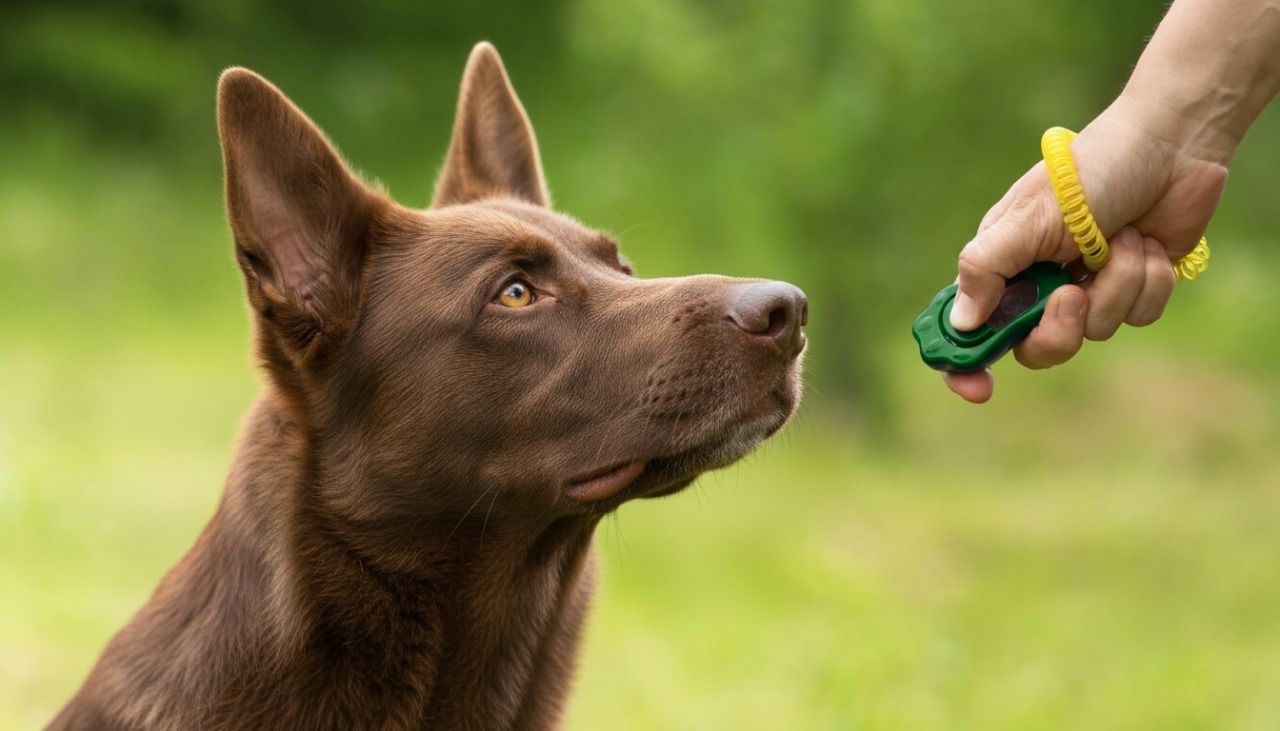
At its core, dog clicker training is about clear communication. It is a force-free, reward-based method that helps your dog understand exactly which action earned them a reward. Think of it less as a command tool and more as a way of saying, "Yes, that's it!" at the perfect moment. According to the American Kennel Club (AKC), this clarity helps dogs learn new behaviors significantly faster.
Marking Behaviors
A click marks the precise instant a dog performs a desired behavior, signaling that a reward is coming. This creates a powerful bridge between the action and the reinforcement.
Here are a few examples of the exact moment to click:
- Sit: The instant your dog’s rear touches the floor.
- Touch: The moment their nose makes contact with your hand or a target.
- Loose Leash Walking: The second they are walking at your side with slack in the leash, before they pull ahead.
- Down: As soon as their elbows or chest hit the ground.
- Recall: The moment they turn their head or take the first step toward you after being called.
Faster Learning Benefits
Clicker training for dogs is significantly faster than using praise alone because of its precision and consistency. While "Good dog!" is wonderful, it's often delayed and can vary in tone, which may confuse your dog. The click is immediate, emotionally neutral, and always sounds the same. This crystal-clear feedback makes learning feel like a fun game, boosting your dog's confidence and encouraging them to actively participate in training.
Imagine teaching a dog to spin. With praise, you might say "Good dog!" after the spin is complete. But with a clicker, you can click the initial head turn, then the shoulder movement, and finally the full circle, shaping the behavior with far fewer repetitions.
The Science
Clicker training is built on the principles of classical and operant conditioning, famously studied by B.F. Skinner. The click starts as a neutral sound, but through a process called "charging" or "loading," it becomes a conditioned reinforcer.
By repeatedly pairing the click with a primary reinforcer (a high-value treat), the click itself becomes rewarding. According to research on reward prediction error, this process engages the brain's dopamine system. The click predicts a reward, causing a dopamine release that motivates the dog to repeat the behavior that earned the click. This crisp, audible marker improves communication, reduces frustration for both you and your dog, and makes learning more efficient.
Clicker vs. Marker Words
While a mechanical clicker is fantastic for precision, it’s not the only option. You can also use a verbal marker or "clicker word" like "Yes!" or "Good!"
- Use a Mechanical Clicker for: Complex behaviors or dog sports (like agility) where split-second timing is critical. Its distinct sound cuts through distractions.
- Use a Marker Word for: Everyday obedience, on-the-go training, or with dogs who are sensitive to noise. Your voice is always with you, making it incredibly convenient.
Expert Tip: You don't have to choose just one! Many professional trainers use a clicker for formal training sessions to build new skills and a marker word for reinforcing good manners in daily life. For a full list of essential gear, check out our guide on best dog training equipment.
Loading the Clicker
Before you start training any behaviors, you must teach your dog what the click means. This process is called "loading" or "charging" the clicker. You are building a positive association so that the sound of the click predicts a delicious treat.
Choosing a Marker
| Marker Type | Pros | Cons | Best For |
|---|---|---|---|
| Mechanical Clicker | Highly precise sound, consistent, cuts through noise. | Requires an extra piece of equipment, can startle sound-sensitive dogs. | Shaping new behaviors, advanced training, distracted dogs. |
| Marker Word ("Yes!") | Always available, easier for beginners, feels more personal. | Slower than a click, voice tone can vary, may be overused in conversation. | Everyday manners, sound-sensitive dogs, on-the-go training. |
Step-by-Step Loading
Follow these simple steps to load your clicker or marker word. The goal is pure association, no commands needed!
- Get Ready: Grab a clicker and about 15-20 small, high-value treats. Find a quiet, distraction-free space.
- Click, Then Treat: Click the clicker once. Immediately give your dog a treat.
- Repeat: Repeat this process 15-20 times in a row. The sequence is always click first, then treat. Reaching for the treat before you click will teach your dog to watch your hands, not listen for the marker.
- Test for Understanding: To see if it's loaded, wait for your dog to look away, then click. If their head whips around in happy anticipation of a treat, the connection has been made! If not, simply run through a few more short loading sessions.
Rules of Reward
In the beginning, two rules are non-negotiable:
- Click once, then pay every time. Every single click must be followed by a reward, even if you clicked by accident. This maintains the click's value and trust.
- One click, one reward. Avoid multiple clicks for one behavior. If you're really impressed, show it with a "jackpot" of several treats after the single click.
Treats should be pea-sized and soft so your dog can eat them quickly. Think of creating a treat hierarchy: use lower-value kibble for easy skills at home and save the high-value stuff (like chicken or cheese) for new behaviors or distracting environments. For advice on what to feed during training, read our Puppy Food 101 guide.
Session Duration
For beginners, especially puppies, keep training sessions very short, just 2 to 5 minutes at a time. It’s far better to have several fun, successful micro-sessions throughout the day than one long, frustrating one. Always aim to end on a high note, right after your dog successfully performs a behavior they know well.
Managing Sound Sensitivity
Is the clicker too loud for your dog? Don't worry. You can easily muffle the sound by clicking it inside your pocket, wrapping it in a sock, or even putting a piece of tape over the metal tongue. Alternatively, you can buy a quieter clicker, use the click of a ballpoint pen, or simply switch to a verbal marker word.
Training Fundamentals
With a loaded clicker in hand, you're ready to start training clicker dogs. Success hinges on three key elements: your timing, the technique you choose, and starting with simple behaviors to build confidence.
Mastering Timing
Your clicker timing is everything. Remember, you are marking the instant of success. Clicking too early or too late can confuse your dog about what you're rewarding. Professional organizations like the Association of Professional Dog Trainers (APDT) emphasize that timing is the most critical skill for a handler to master.
Pro Tip: Sharpen Your Reflexes
Before you even start with your dog, practice your timing. Ask a friend to bounce a tennis ball and try to click the exact moment it hits the floor. Or, watch TV and click every time a character blinks. These drills build the muscle memory you need for split-second accuracy.
Avoid late clicks or "stacked" clicks (clicking multiple times in a row). One sharp click is all you need to communicate effectively.
Training Techniques
There are three primary ways to train a dog with a clicker.
- Lure-and-Reward: Using a treat to guide your dog into position. This is great for simple physical movements like "sit" or "down" and is very beginner-friendly.
- Capturing: Waiting for your dog to offer a behavior naturally, then clicking and treating it. This is perfect for behaviors that are hard to lure, like a head tilt, a stretch (which you can name "bow"), or settling on a mat.
- Shaping: Clicking and rewarding small, successive approximations toward a final, complex behavior. This method builds incredible confidence and problem-solving skills. It is frequently used for teaching complex tricks, such as how to teach your dog to speak.
Essential First Cues
Start with foundational behaviors to build a strong training relationship. Here are quick plans for five essential first cues.
- Sit: Hold a treat over your dog's nose and slowly move it backward over their head. As their head goes up, their rear will go down. Click the instant their bottom touches the floor.
- Down: From a sit or stand, hold a treat at your dog's nose and slowly lower it straight down between their paws. Click the moment their elbows touch the floor.
- Touch (Hand Target): Hold your open palm a few inches from your dog's nose. The moment they sniff or touch it, click and give them a treat from your other hand. This teaches them to target your hand, which is useful for recall, vet visits, and more.
- Name Response: In a quiet room, say your dog's name in a happy tone. The instant they turn their head or make eye contact, click and treat. This builds a positive association with their name.
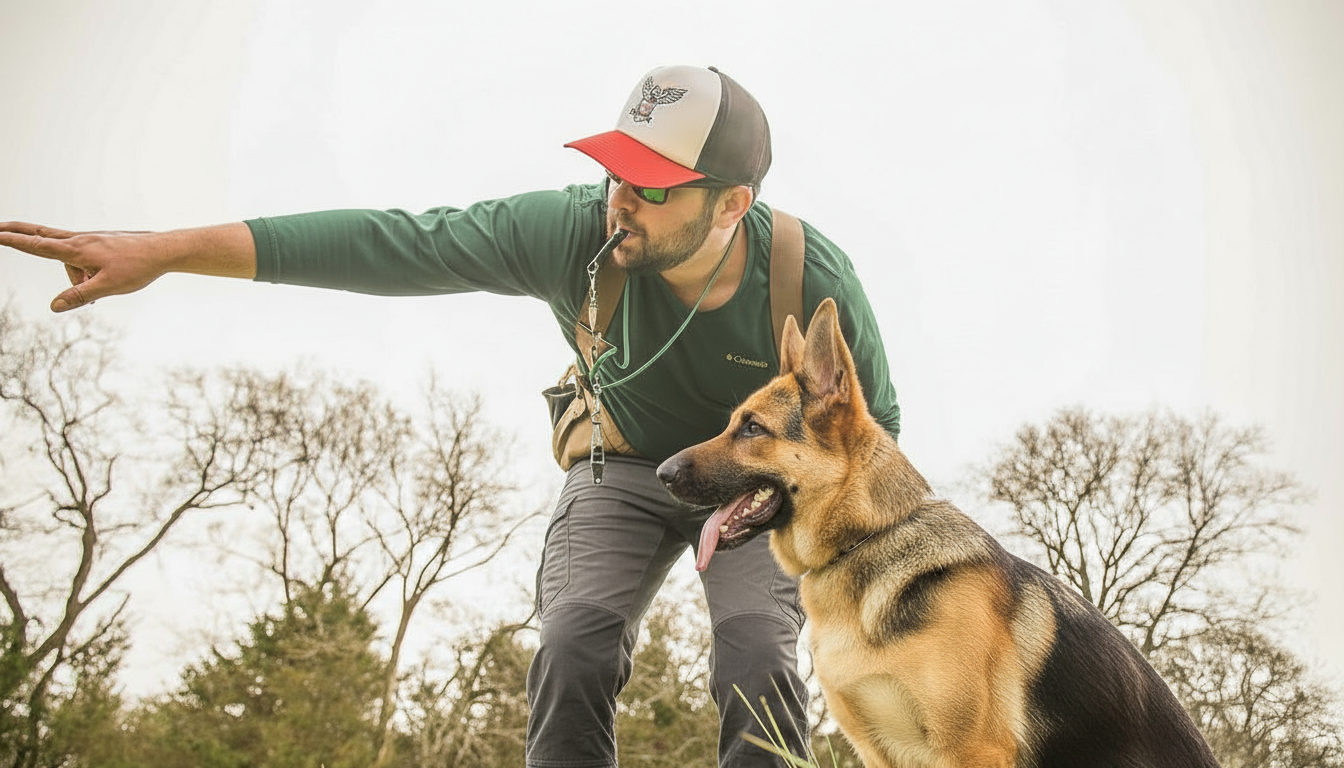
- Start of Recall: From a few feet away, say your dog's name and "Come!" in an excited voice. Click the very first step they take toward you, and then give them a huge jackpot of treats and praise when they arrive. For long-distance recall, consider using a dog training whistle.
Adding Verbal Cues
Only add a verbal cue (like the word "Sit") after your dog is reliably offering the behavior with a lure. Say the word just before you start the luring motion. Soon, your dog will anticipate the motion and respond to the word alone.
To fade a food lure, simply make the same hand motion but without a treat in your hand. Click the successful behavior, then reward with a treat from your pocket. This prevents your dog from becoming dependent on seeing the food first.
Proofing and Distractions
Once your dog knows a cue in the living room, it's time to "proof" it by gradually adding the 3 D's: Distance, Duration, and Distractions.
- Duration: Ask for a slightly longer "sit" before you click.
- Distance: Take one step back before giving the cue.
- Distraction: Practice in the backyard or with another person quietly walking through the room.
Only increase one "D" at a time! As the behavior becomes more reliable, you can switch to a variable reward schedule, rewarding only the best or fastest responses to keep them sharp. For more on the science of reinforcement schedules, consult the Karen Pryor Clicker Training library.
Real-World Application
The real magic of training clicker dogs happens when you apply these skills to solve everyday problems. From frantic greetings to chaotic walks, the clicker is your tool for building polite, real-world manners.
Polite Greetings
Tired of your dog jumping on guests? Use your clicker to teach an alternative behavior. The Humane Society recommends rewarding incompatible behaviors to stop unwanted ones.
- Management is Key: While training, keep your dog on a leash when guests arrive to prevent them from practicing the jumping.
- Click for Four on the Floor: The moment your dog has all four paws on the ground, click and treat. You can even toss the treat on the floor to encourage them to keep their paws down.
- Click for Sit: If your dog knows "sit," ask for that instead. Click and reward them for sitting calmly as a person approaches. Instruct guests to only greet the dog when they are sitting.
Loose-Leash Walking
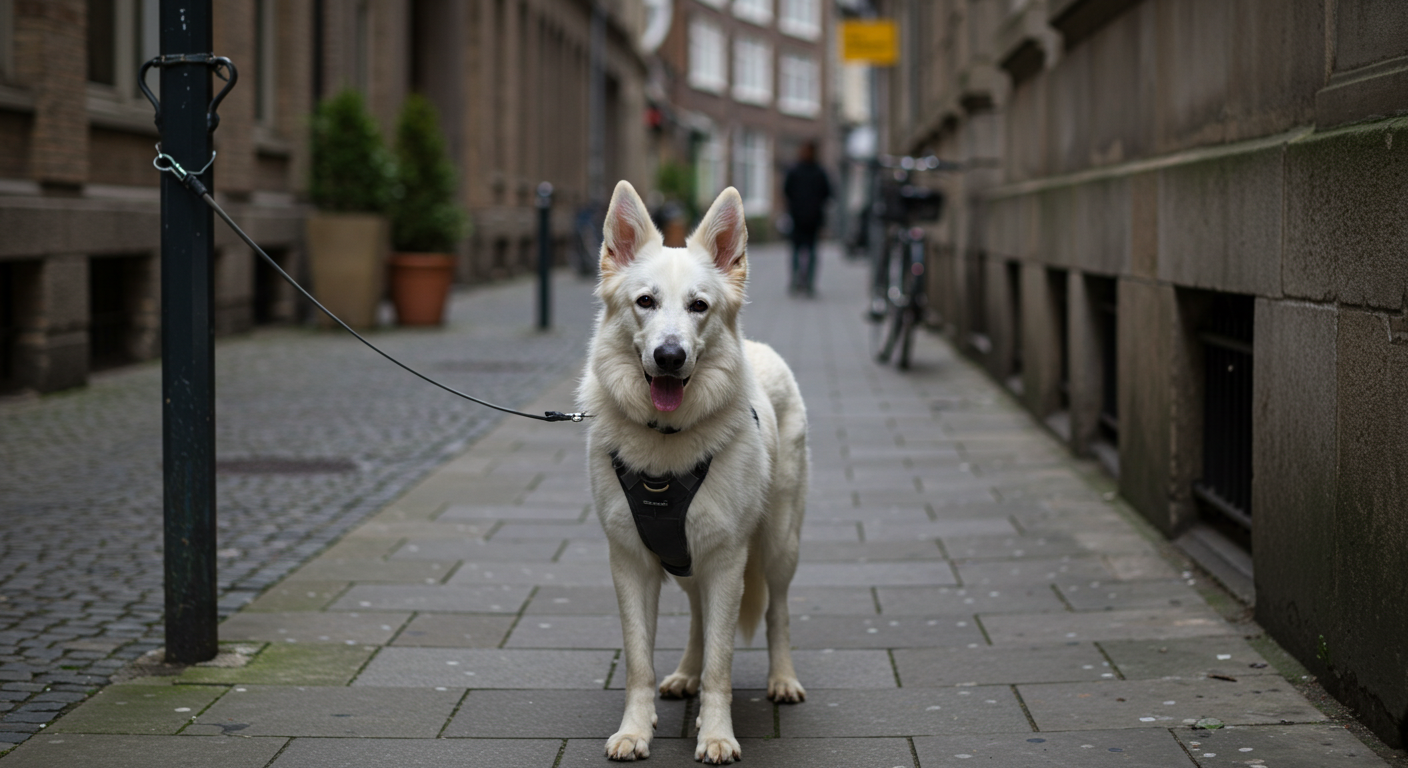
Transform pulling into a pleasant stroll by reinforcing the right position. If your dog is struggling significantly with pulling, review our guide on how to stop a dog from pulling on leash.
- Define the Reward Zone: Decide where you want your dog to walk (e.g., with their shoulder by your pant seam).
- Click for Position: Start indoors. Click and treat every time your dog is in that "reward zone" with a loose leash. Take one step, click, and treat. Then two, then three.
- Stop When They Pull: If the leash tightens, simply stop walking. The moment your dog reorients to you and the leash goes slack, click, treat, and continue. Pulling gets them nowhere, while staying close gets them clicks and treats.
Mat Training
Teaching your dog to settle on a mat is invaluable for visits to cafes, friends' houses, or the vet. This is often referred to as "Place" training. For German Shepherd owners specifically, using a Cato board for place training can be highly effective.
- Capture Calmness: Start by clicking and treating any interaction with the mat (sniffing it, stepping on it).
- Shape the Down: Gradually raise your criteria to clicking for a sit, then a down, on the mat.
- Reward Relaxation: This is the key. Start clicking not just for the down, but for signs of true relaxation: a sigh, a hip shift, or their head resting on their paws. This shapes a calm state of mind, not just a static position.
Stopping Barking
Change the doorbell from a trigger for chaos into a cue for a calm behavior.
- Teach Stationing: First, train your dog to go to their mat ("Place") on cue.
- Condition a New Response: Record the sound of your doorbell on your phone. Play it at a very low volume. The instant it sounds, cue your dog to their mat, then click and reward them there.
- Gradually Increase Intensity: Over many sessions, slowly increase the volume of the doorbell recording. The sound now predicts a fun trip to the mat for a high-value reward. This preempts the barking frenzy. For chronic vocalization issues, check our article on German Shepherd barking.
Mastering how to clicker train a dog is one of the most rewarding journeys you can take with your canine companion. It transforms training from a chore into a delightful conversation built on trust, clarity, and positive reinforcement. By focusing on precise timing, consistent rewards, and having fun, you are not just teaching cues, you are building a stronger, more joyful bond that will last a lifetime.