Are you tired of guessing when your dog needs to go out, only to find a surprise puddle moments later? Bell training puppy habits is one of the most effective ways to bridge the communication gap between you and your new pet. Instead of relying on subtle cues like sniffing or circling, this method gives your dog a clear, audible voice.
Potty training is a major milestone, but it doesn't have to be a guessing game. By teaching your puppy to ring a bell, you replace frustration with clarity. This guide provides a proven strategy to stop accidents, eliminate door scratching, and fast-track your housebreaking success. Below, we cover everything from equipment setup to troubleshooting over-ringing, ensuring you get results quickly.
Bell Training Basics
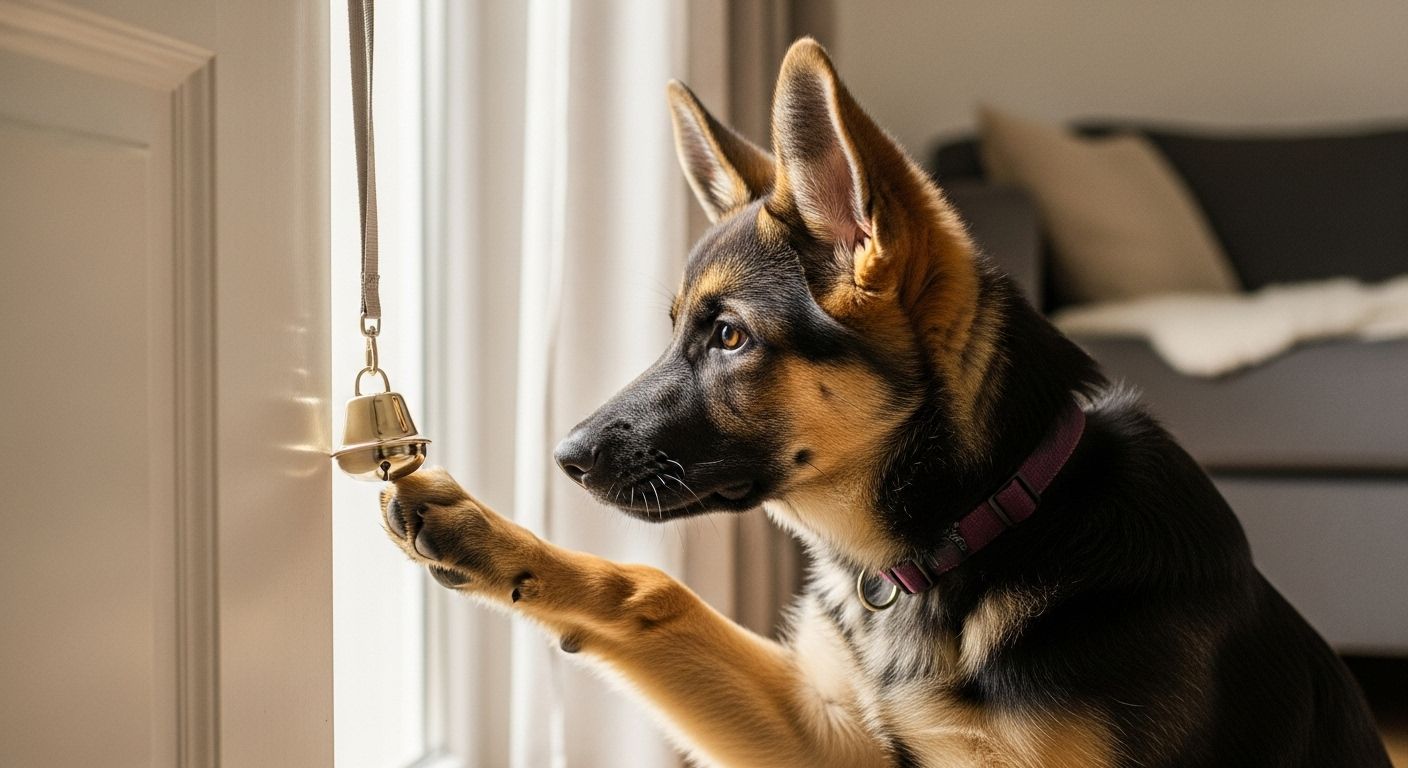
This method utilizes positive reinforcement to create a specific association: ringing the bell equals the door opening. It essentially gives your dog a "voice" to request a bathroom break. Unlike other methods that rely on you watching the clock, bell training empowers your puppy to tell you exactly when they need to go.
Key Benefits
Why choose this method over standard scheduling?
- Clear Signals: The sound is unmistakable, even if you are in another room.
- Accident Reduction: Clear communication drastically lowers the chance of indoor messes.
- Behavioral Improvement: It replaces destructive habits like scratching paint or wood on doors.
- Bonding: It fosters trust and reduces the frustration of miscommunication.
- Versatility: It works for dogs of all sizes and ages.
How It Works
The concept is simple: Action (Ring) → Consequence (Door Opens).
- Introduction: The dog learns the bell is a positive object.
- Interaction: You teach the dog to touch the bell on cue.
- Association: You link the sound of the bell to the door opening.
- Execution: The dog rings the bell independently to signal a potty need.
Pro Tip: Most puppies need a break 15–30 minutes after eating. See our puppy food guide to help time your training sessions around meals.
Best Starting Age
You can start bell training puppy routines as early as 8 weeks old. Starting young helps establish a strong foundation and prevents bad habits. However, older puppies (12–16 weeks) often have better retention and bladder control, making the process slightly faster.
Readiness Signs
Your puppy is ready to begin if they demonstrate:
- Basic Routine: They are already on a predictable potty training schedule.
- Food Motivation: They respond well to treats and praise.
- Focus: They can pay attention for 5–10 minute bursts.
- Natural Signals: You notice sniffing, circling, or whining near the door.
- No Fear: They are not afraid of the sound of the bell.
Equipment Setup
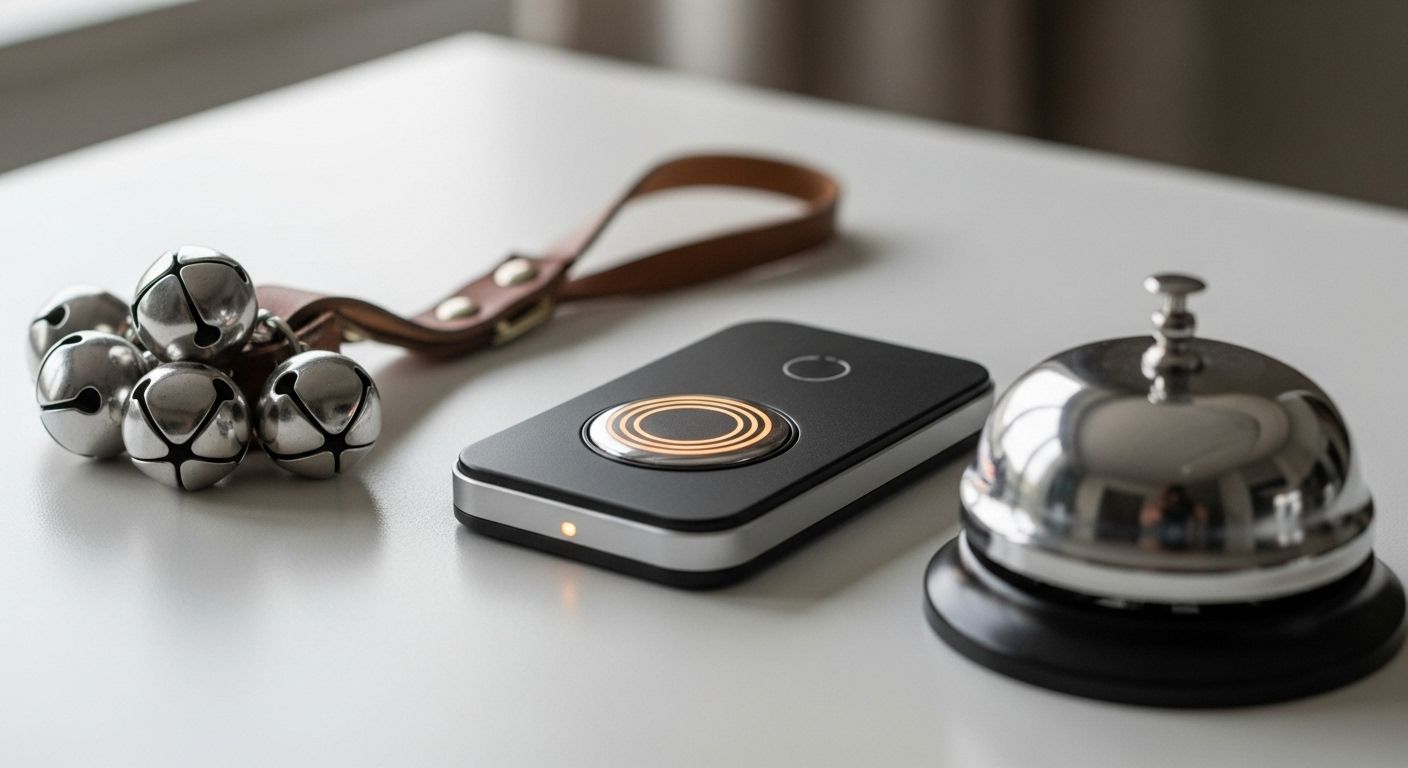
Success starts with the right tools. The bell must be accessible, loud enough to hear, and safe for your pet.
Bell Types
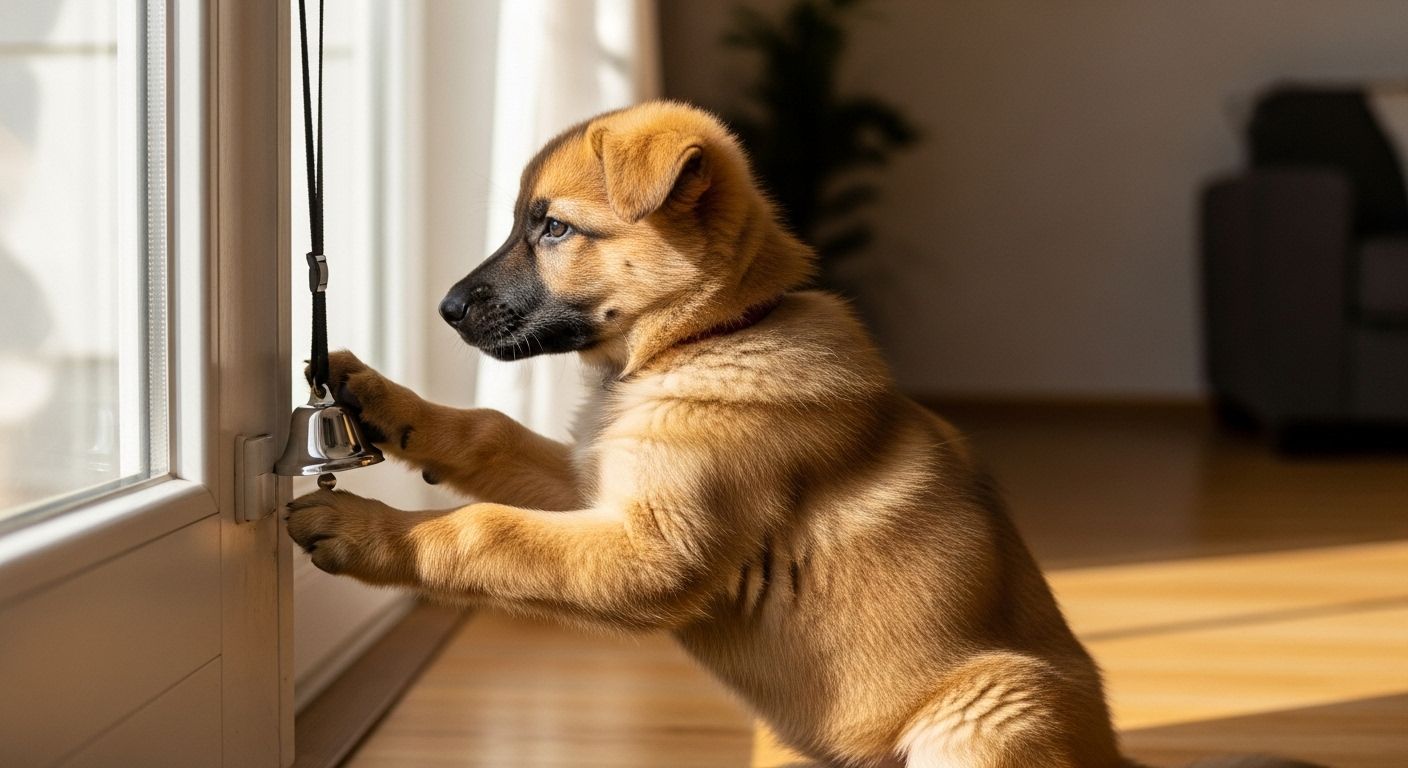
- Hanging Straps: Adjustable nylon or leather straps with sleigh bells. These are versatile and easy to hang on any doorknob.
- Smart Buttons: Wireless, battery-operated buttons. Ideal for dogs who dislike the jingle sound or for large homes where a mechanical bell might not be heard.
- Floor Bells: Hotel-desk style bells. Great for dogs that prefer pawing the ground rather than nose-bumping a door.
Placement Tips
- Consistency: Select one door (the primary route to the yard) and stick to it.
- Height: Hang the bell so it rests at your dog's nose level.
- Accessibility: Ensure the bell hangs freely and isn't blocked by furniture.
Door Management
During the learning phase, the bell must be the only key to the door. If your puppy rings it, the door opens. To prevent the dog from running off, keep a leash by the door. If they ring the bell, clip the leash on and take them directly to their spot. This prevents the "freedom run" and reinforces that the bell is for business.
7-Step Training Plan
Follow this sequence to teach your dog to ring the potty bell.
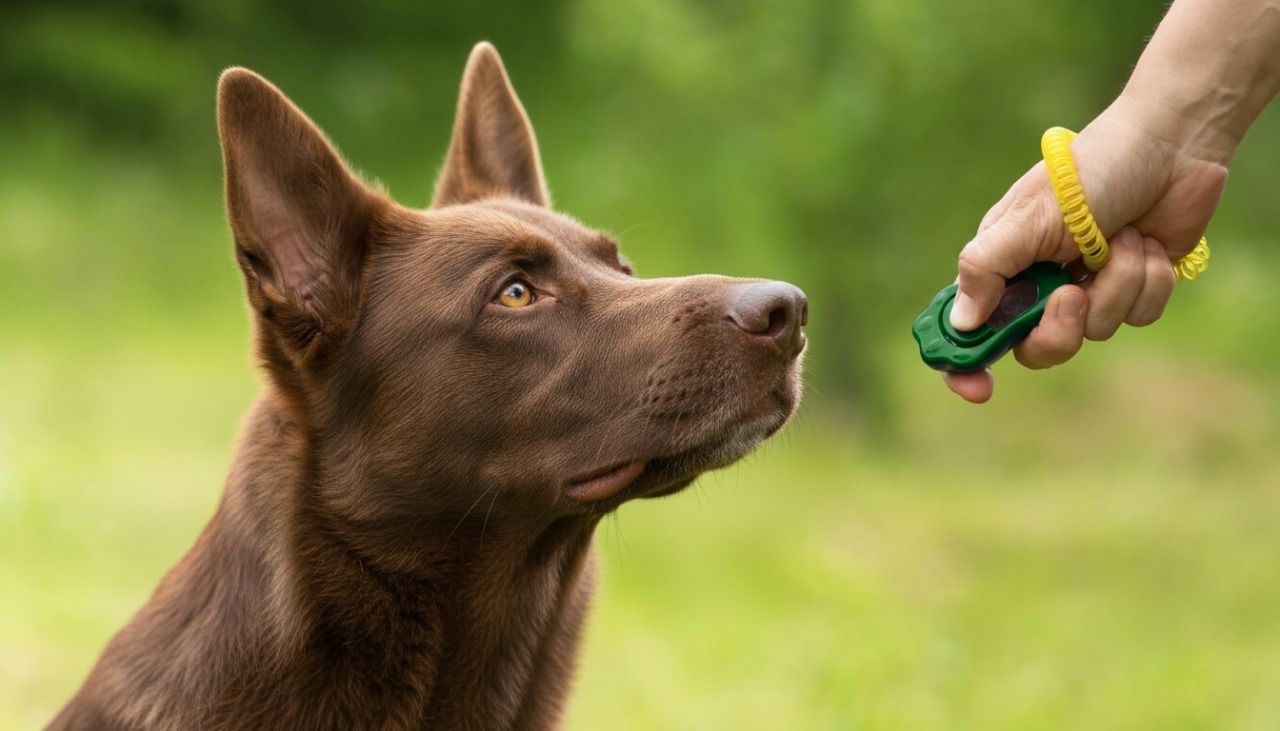
- Introduction: Place the bell on the floor. Let your puppy sniff it. Click or mark the interaction and reward immediately.
- Hang the Bell: Move the bell to the doorknob. Encourage your puppy to touch it again in its new position.
- Lure and Touch: Hold a treat behind the bell so the puppy has to nudge the bell to get the treat. Praise the sound.
- Open on Sound: As soon as the bell rings, say "Outside!" and open the door instantly.
- The Potty Trip: Take the puppy out on a leash. Do not play. Stand still at the potty spot.
- Big Reward: When they eliminate, give a high-value reward. This connects the ring → door → potty → treat chain.
- Reinforce: Repeat this every time you go out. Eventually, wait for the puppy to initiate the ring before opening the door.
Rewards & Timing
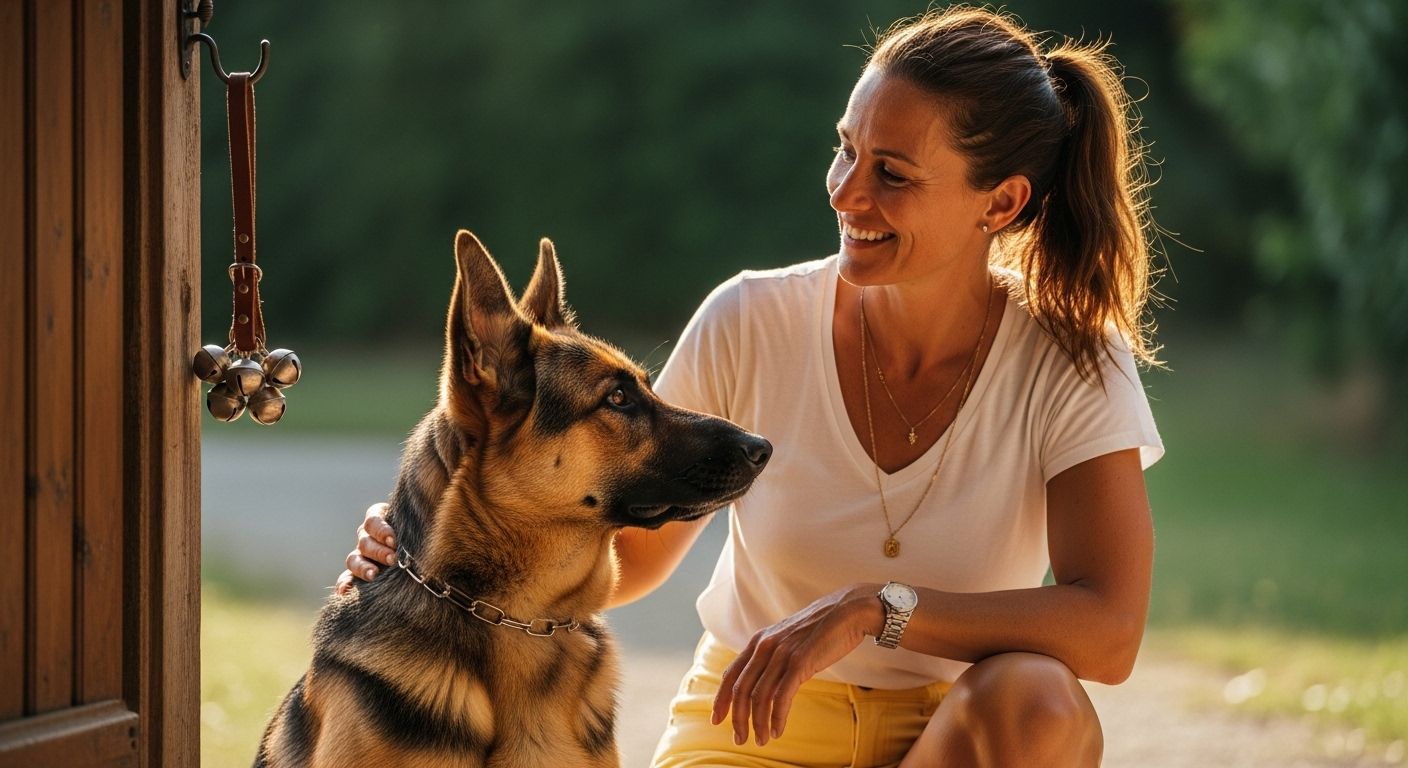
Timing is the engine of dog training. If you delay the door opening or the treat, your puppy won't make the connection.
Session Timing
Keep formal training sessions short (2-5 minutes). However, "real life" training happens all day. The best times to practice are:
- Upon waking up.
- Shortly after meals.
- After vigorous play.
Reinforcement Methods
- High-Value Treats: Use soft, smelly treats like chicken or cheese.
- Double Reward: Reward once for ringing the bell, and again (bigger reward) for doing their business outside.
- Fade Slowly: Once the habit is set, move to intermittent treating, but always offer verbal praise.
Cue Words
Pair the physical action with a verbal command. Use phrases like "Go potty" or "Ring the bell." Consistency among family members is vital. If one person ignores the bell, the training will fail.
Troubleshooting
Even the smartest dogs hit bumps in the road. Regression is common, but fixable.
Medical Checks
If your successfully trained puppy suddenly starts having accidents, rule out health issues first. Conditions like a urinary tract infection (UTI) can make holding it impossible. Consult your vet before assuming it's a behavioral problem.
Stopping Over-Ringing
Some puppies realize the bell is a "human summoning device" or a request to go play. To fix this:
- Leash Up: Always put the puppy on a leash when the bell rings.
- Boring Trips: Take them to the spot. Wait 2 minutes. If they don't go, march them right back inside. No sniffing, no playing.
- Enrichment: Ensure they aren't bored. Use puzzle toys or Kongs to provide mental stimulation indoors so they don't ring the bell just for entertainment.
Handling Regression
If accidents return:
- Restrict Freedom: Go back to using a crate or playpen when you aren't supervising.
- Clean Deeply: Use an enzymatic cleaner to remove odors. If you don't remove the scent, they will return to the spot. See our guide on cleaning dog poop from carpet for specific tips.
- Back to Basics: Resume treating every single time the bell is rung for a few days to reboot the habit.
Fading the Bell
Eventually, your dog may simply stand by the door or bark once. If you prefer this natural signal, you can remove the bell. Simply stop rewarding the bell specifically and start rewarding the new behavior (like sitting by the door). Most owners find the bell serves as a great bridge to maturity.
Conclusion
Bell training puppy behavior transforms a stressful housebreaking phase into a clear, manageable routine. It gives your dog a voice and gives you peace of mind. By following this 7-step plan, maintaining consistency, and using high-value rewards, you will have a fully potty-trained dog in no time.
Be patient, keep it positive, and listen for that jingle, it’s the sound of success!