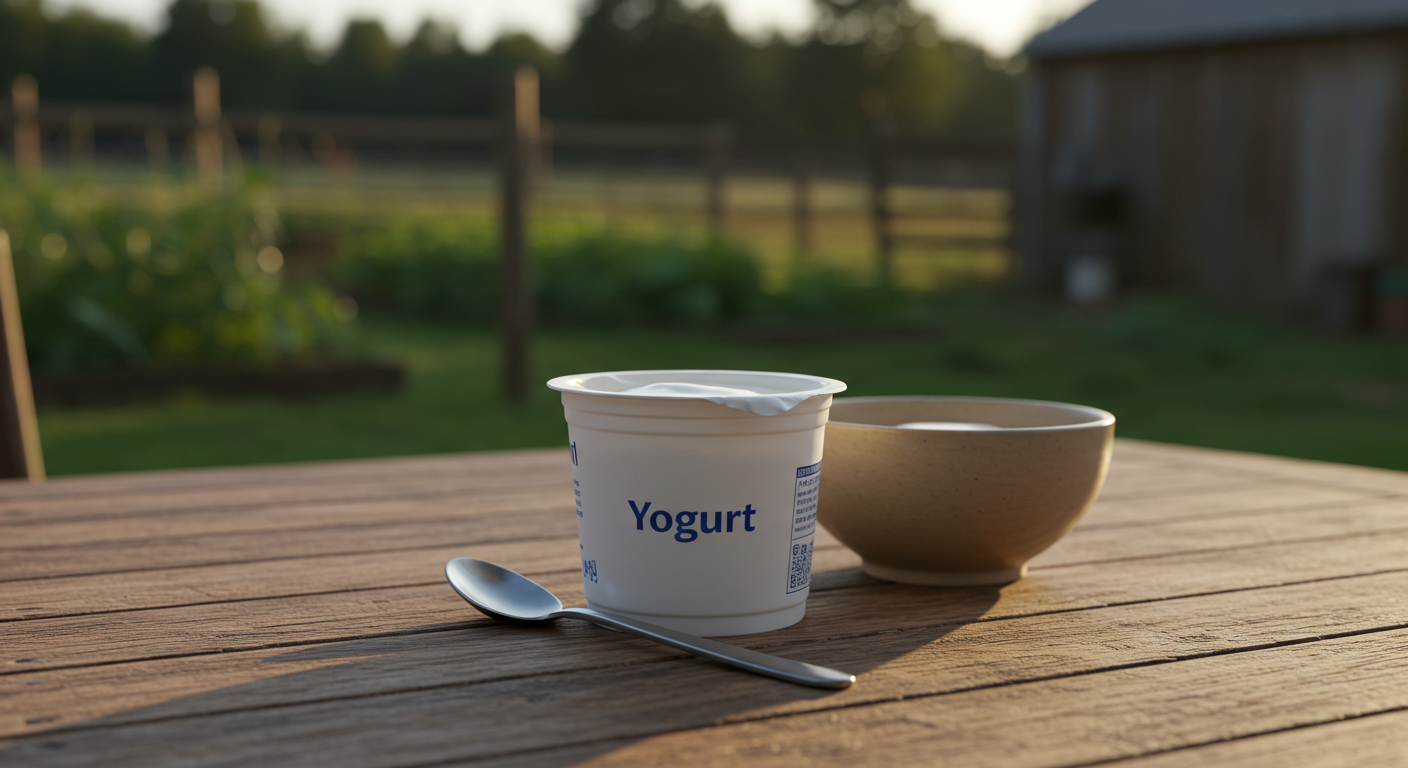
You open a fresh container of yogurt, and suddenly your dog is right there, tail wagging expectantly. But before you share a spoonful, you need to know: can dogs have plain yogurt?
The short answer is yes, plain yogurt can be a healthy treat for many dogs. However, not all dairy aisle options are safe. While calcium and probiotics offer great health perks, hidden ingredients like artificial sweeteners can be dangerous. This guide breaks down the best options, why plain Greek yogurt for dogs is often the top choice, and how to serve it safely to avoid tummy troubles.
Nutritional Benefits
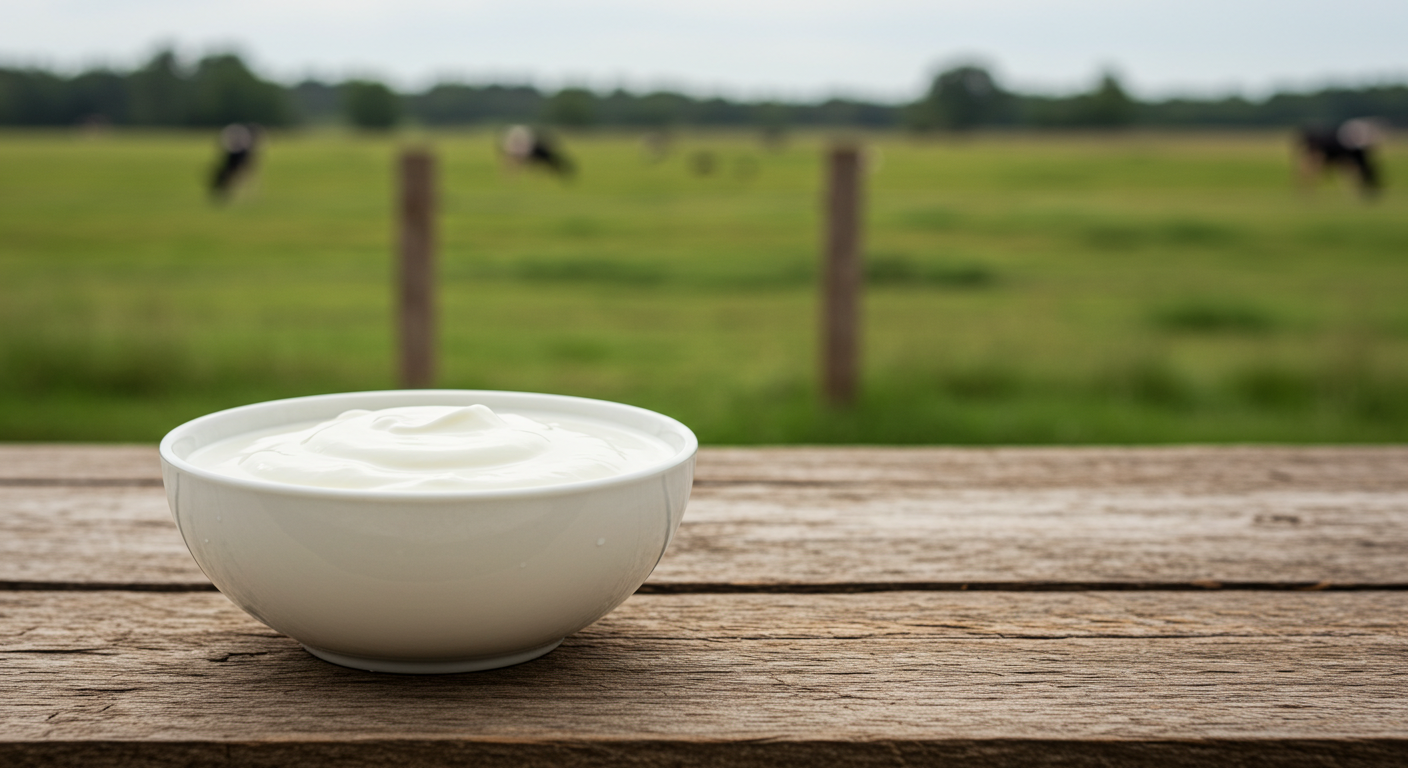
If you’re looking for nutritious snacks, plain yogurt is often a top contender. It is packed with essential nutrients that support your dog's overall health. When you choose the right type, your pup gains access to:
- Protein: Essential for muscle development and repair.
- Calcium: Vital for strong bones, teeth, and nerve function.
- Potassium & B Vitamins: Supports energy levels and a healthy metabolism.
- Probiotics: Live cultures that support gut health and immunity.
For a deeper dive into gut health, checking a guide on dog probiotics can help you understand which strains benefit your pet the most.
Digestive Health
The "good bacteria" (like Lactobacillus and Bifidobacterium) found in yogurt can be excellent for your dog’s digestive system. Many owners ask, is yogurt good for dogs with diarrhea? In mild cases, it can help.
Dog yogurt consumption can assist with:
- Managing mild digestive upset
- Reducing occasional gas
- Restoring gut balance after antibiotics
However, yogurt is not a cure-all. If your dog is experiencing severe symptoms, check this guide on dog diarrhea to know when to seek veterinary care. If tummy troubles persist, always consult your vet.
Choosing Safe Options
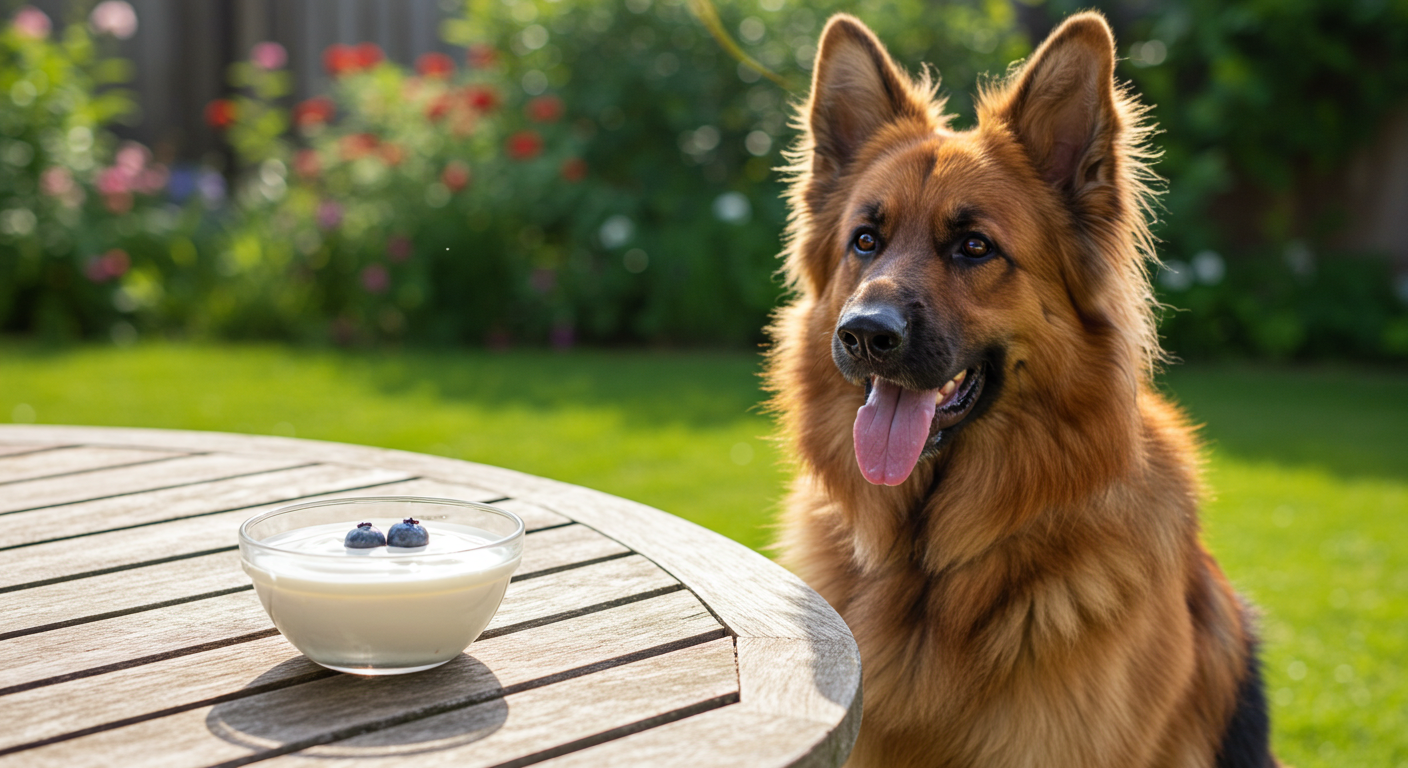
Not all yogurts are created equal. To ensure you are feeding a safe snack, you must read the label carefully.
Ingredient Checklist
- Unsweetened & Unflavored: Avoid added sugars, fruit syrups, or honey.
- No Xylitol: This artificial sweetener is deadly. Always scan labels for products with xylitol to prevent accidental poisoning. Xylitol causes rapid insulin release and liver failure in dogs.
- Fat Content: Low-fat or non-fat options are safer to prevent pancreatitis.
- Live Cultures: Ensure the package says "live, active cultures" for probiotic benefits.
Best Varieties
- Plain Greek Yogurt: The best option. It is strained, removing whey, which results in lower lactose and higher protein.
- Regular Plain Yogurt: Safe, but has higher lactose content than Greek varieties.
- Non-Dairy: Coconut or oat yogurts are options for allergic dogs, but they lack the same protein profile.
Greek Yogurt Benefits
Many owners specifically ask: can dogs eat plain Greek yogurt? The answer is a resounding yes.
Is Greek yogurt good for dogs? Absolutely. Because of the straining process, plain Greek yogurt for dogs contains significantly less lactose than regular yogurt, making it easier to digest. It also boasts a thicker texture that dogs love and nearly double the protein. Just ensure it is free from flavorings like vanilla, which often contain excess sugar.
Dosage Guidelines
Even healthy foods can cause issues if overfed. How much yogurt can a dog have depends largely on their size:
- Small Dogs (under 20 lbs): 1 teaspoon
- Medium Dogs (20–60 lbs): 1 tablespoon
- Large Dogs (60+ lbs): 2–3 tablespoons
Treats should never exceed 10% of your dog's daily caloric intake. Start with a tiny amount to test for tolerance.
Risks and Warnings
While generally safe, yogurt isn't right for every dog. Be aware of these potential side effects.
Lactose Intolerance
Many adult dogs are lactose intolerant. Symptoms include gas, bloating, and diarrhea. If your dog has a sensitive system, you might want to look into the best dog food for sensitive stomachs rather than adding dairy to their diet.
Dairy Allergies
True dairy allergies involve the immune system. Signs include itchy skin, hives, or ear infections. If these occur, stop feeding yogurt immediately.
High Fat Risks
Rich, full-fat yogurts can trigger pancreatitis in susceptible breeds. Stick to fat-free or low-fat versions to be safe.
Serving Ideas

Plain yogurt is versatile. Here are fun ways to include it in your dog's diet:
- Meal Topper: Stir a spoonful into dry kibble for moisture.
- Pill Pocket: Hide medication in a small dollop.
- Frozen Treats: Mix with peanut butter and freeze in a Kong.
- Fruity Mix: Blend with bananas or blueberries for a nutrient boost.
Wondering if can dogs have frozen yogurt from an ice cream shop? Usually, no. Commercial frozen yogurt is loaded with sugar. Instead, make your own frozen dog treat recipes at home using plain yogurt and dog-safe fruits. See homemade pupsicles for more inspiration.
Common FAQs
Can dogs have strawberry yogurt?
Generally, no. Can dogs eat strawberry yogurt found in stores? Most contain high sugar, corn syrup, or artificial sweeteners. It is safer to mash fresh strawberries into plain yogurt yourself.
Is yogurt good for dogs with diarrhea?
Yes, in moderation. The probiotics can help settle the stomach. However, if the yogurt contains high sugar or fat, it could make the situation worse. Plain, non-fat Greek yogurt is the safest bet for a mild upset tummy.
What about non-dairy options?
If your dog is allergic to dairy, look for unsweetened coconut or almond milk yogurts. Always check the ingredient list strictly for xylitol.
So, can dogs have plain yogurt? Yes! It is a nutritious, protein-rich snack when served correctly. By sticking to unsweetened varieties and controlling portions, you can safely share this creamy treat with your best friend.