There are few things more stressful for a pet owner than discovering dog diarrhea on the carpet. It’s messy, smelly, and immediately sparks worry about your pup's health. One minute your furry friend is playful, and the next you are rushing to clean up. While often a temporary tummy trouble, knowing how to handle it is crucial.
This guide covers everything from fast dog diarrhea treatment at home to recognizing serious red flags. We will help you decide if a simple bland diet is enough or if it is time to rush to the vet. Whether your dog is acting fine or showing signs of distress, this actionable advice will help you manage diarrhea in dogs effectively and get your companion back to feeling their best.
Understanding Symptoms
Before you can solve the problem, you need to understand the signals. Diarrhea in canines varies in severity, and its appearance provides valuable clues about what is happening inside your dog’s gut. If you hear loud dog tummy noises, it often precedes the urgency to go.
Visual Guide
Stool consistency can range from soft and shapeless (like a "cow patty") to completely liquid. Liquid stool is more concerning as it leads to dehydration quickly. Color is also a major indicator:
- Yellow: often indicates food is moving too fast through the digestive tract.
- Mucus: A jelly-like coating often signals inflammation (colitis).
- Red (Fresh Blood): Known as hematochezia, dog bloody diarrhea points to bleeding in the lower GI tract.
- Black or Tarry: Known as melena, this is a major red flag signifying digested blood from the upper GI tract.
Common Causes
Most cases are caused by something simple. According to the American Kennel Club (AKC), dietary indiscretion, eating something they shouldn't, is a top culprit.
- Dietary Issues: A sudden switch in food, sneaking fatty table scraps, or garbage gut.
- Stress: Boarding, travel, or household changes can trigger stress colitis.
- Parasites: Worms and protozoa like Giardia are frequent offenders.
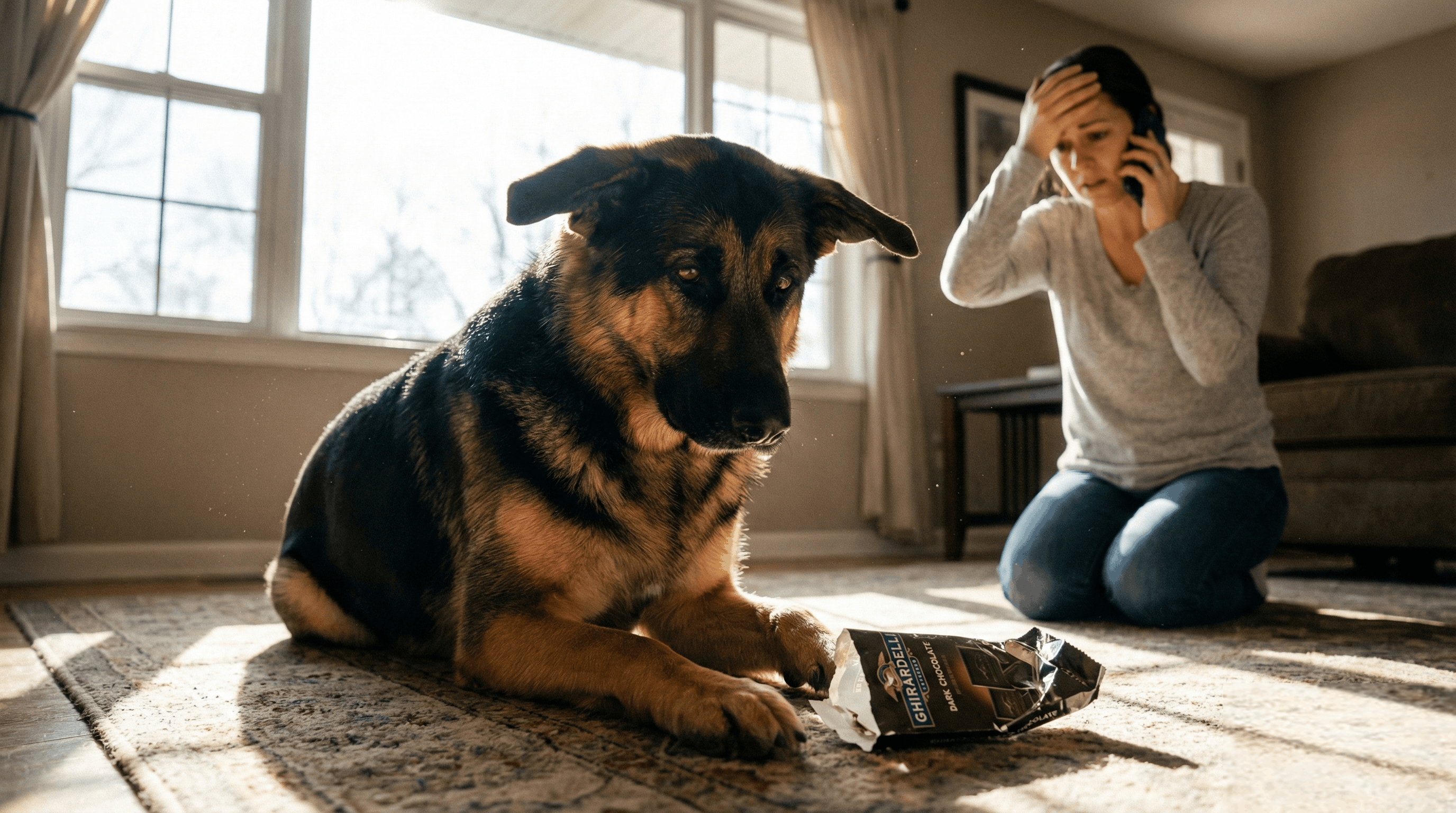
- Toxins: Ingesting products with xylitol or household chemicals can cause severe GI upset.
- Chronic Issues: Recurrent problems may signal IBD or food allergies.
Associated Symptoms
Dog has diarrhea rarely in a vacuum. Watch for vomiting, poor appetite, fever, or lethargy. A dog with mild symptoms that is otherwise happy is very different from a dog that is vomiting and refusing to drink.
Bowel Origins
Your vet might ask questions to determine if the issue is in the small or large intestine.
| Feature | Small-Bowel Diarrhea | Large-Bowel Diarrhea (Colitis) |
|---|---|---|
| Volume | Large amount per movement | Small, frequent amounts |
| Frequency | Normal to slightly increased | Very frequent, urgent |
| Mucus | Usually absent | Often present |
| Straining | Absent | Common |
| Blood | Black, tarry (if present) | Bright red streaks (if present) |
| Other | May see weight loss, vomiting | Urgency, accidents in the house |
When to Visit Vet
While many cases of diarrhea in canines can be managed at home, some situations require professional help.
Emergency Signs
If you see these red flags, stop home treatment and contact your veterinarian immediately.
- Dog Bloody Diarrhea: Bright red blood or black, tarry stools indicate severe inflammation or bleeding.
- Repeated Vomiting: Risk of severe dehydration increases rapidly.
- Dehydration: Pale, sticky gums or skin that doesn't snap back when lifted.
- Abdominal Pain: Hunched posture or whining.
- Toxin Ingestion: If you suspect they ate a foreign object or poison.
Timeline Guidelines
The clock is ticking when it comes to fluid loss.
- Adult Dogs: Seek care if it lasts longer than 24–48 hours.
- Puppies & Seniors: Call the vet if it persists more than 12–24 hours.
Higher-Risk Pets
Vulnerable dogs need faster intervention. This includes puppies not yet finished with their puppy vaccine schedule (high parvo risk), seniors, and those with chronic illnesses like diabetes.
Diagnosis Expectations
At the clinic, vets may perform fecal tests for parasites or bloodwork. According to the American Veterinary Medical Association (AVMA), rapid testing is critical for conditions like parvovirus. Treatment focuses on rehydration and anti-nausea medication.
Home Remedies
For a healthy adult dog with mild symptoms, you can often provide effective dog diarrhea treatment at home.
Hydration First
Dehydration is the biggest risk. Ensure constant access to fresh water. You can add a splash of low-sodium broth to encourage drinking. Expert sources like Cornell University College of Veterinary Medicine emphasize that maintaining fluid intake is the primary goal during GI upset.
Food Strategy
- Gut Rest: Withhold food for 6-12 hours to let the stomach settle.
- Bland Diet: Offer boiled, skinless chicken mixed with white rice.
- Small Meals: Feed 4-6 small portions daily rather than big meals.
- Add Fiber: Canned pumpkin (pure) helps firm stool. Alternatively, sweet potatoes are a great fiber source if prepared correctly.
Dietary Guidelines
What to feed dog with diarrhea:
- YES: Boiled lean meats, white rice, pumpkin, plain boiled potatoes.
- NO: Fatty foods, dairy, spices, raw food, or treats.
Medication Options
Many owners ask, "What can I give my dog for diarrhea?" Use caution with over-the-counter meds.
- Probiotics: High-quality probiotics help restore gut bacteria. Plain yogurt can be a natural source, provided it is xylitol-free.
- Kaolin-Pectin: Helps coat the intestines.
- Loperamide (Imodium): Do not use without vet approval. It is toxic to breeds with the MDR1 gene mutation (like Shepherds and Collies).
- Human Meds: The FDA warns against using human medications without strict veterinary oversight.
Acting Normal?
A common search is: "my dog has diarrhea but is acting fine." If they are playful and eating, it is likely a minor issue.
24-Hour Plan
- Diet: Switch immediately to the bland chicken and rice diet.
- Monitor: Watch stool frequency and energy levels.
- Probiotics: Add a supplement to support digestion.
Identify Triggers
Did you switch food brands too fast? Did they eat a new treat? Removing the trigger is the most effective fix.
When to Escalate
Even if they act fine, see a vet if symptoms persist beyond 48 hours or if dog bloody diarrhea develops.
Prevention Tips
Preventing diarrhea in dogs is easier than treating it.
Consistent Feeding
Avoid sudden diet changes. Transition new foods over 7–10 days. If your dog has a sensitive system, consider switching to the best dog food for sensitive stomachs to prevent future flare-ups.
Parasite Control
The Companion Animal Parasite Council (CAPC) recommends year-round prevention and bi-annual fecal exams to protect against intestinal worms that cause loose stool.
Stress Management
If boarding or travel causes stress colitis, start probiotics a few days early.
Chronic Cases
For recurrent diarrhea in canines, your vet may suggest a food trial to rule out allergies. Keeping a "GI First-Aid Kit" with probiotics and electrolyte powder can help you respond fast next time.
Most importantly, trust your instincts. You know your dog best. Never hesitate to call your veterinarian if you see any red flags or if the situation just doesn't feel right.