Ever catch yourself staring at those fuzzy paws and wondering, “do all dogs have webbed feet?” You’re in good company. Many pet owners notice that thin strip of skin between the toes and hop online for answers. While technically all canines possess some webbing, the functional difference between breeds is significant.
In this guide, we will unpack the biology behind dogs with webbed feet, identify which breeds display this trait the most, and explain how to keep their paws healthy. Whether you share life with a splash-loving Labrador, a dry-land Pitbull, or a unique mix, understanding their physical capabilities will make you a sharper caregiver and a better adventure buddy.
The Biological Answer
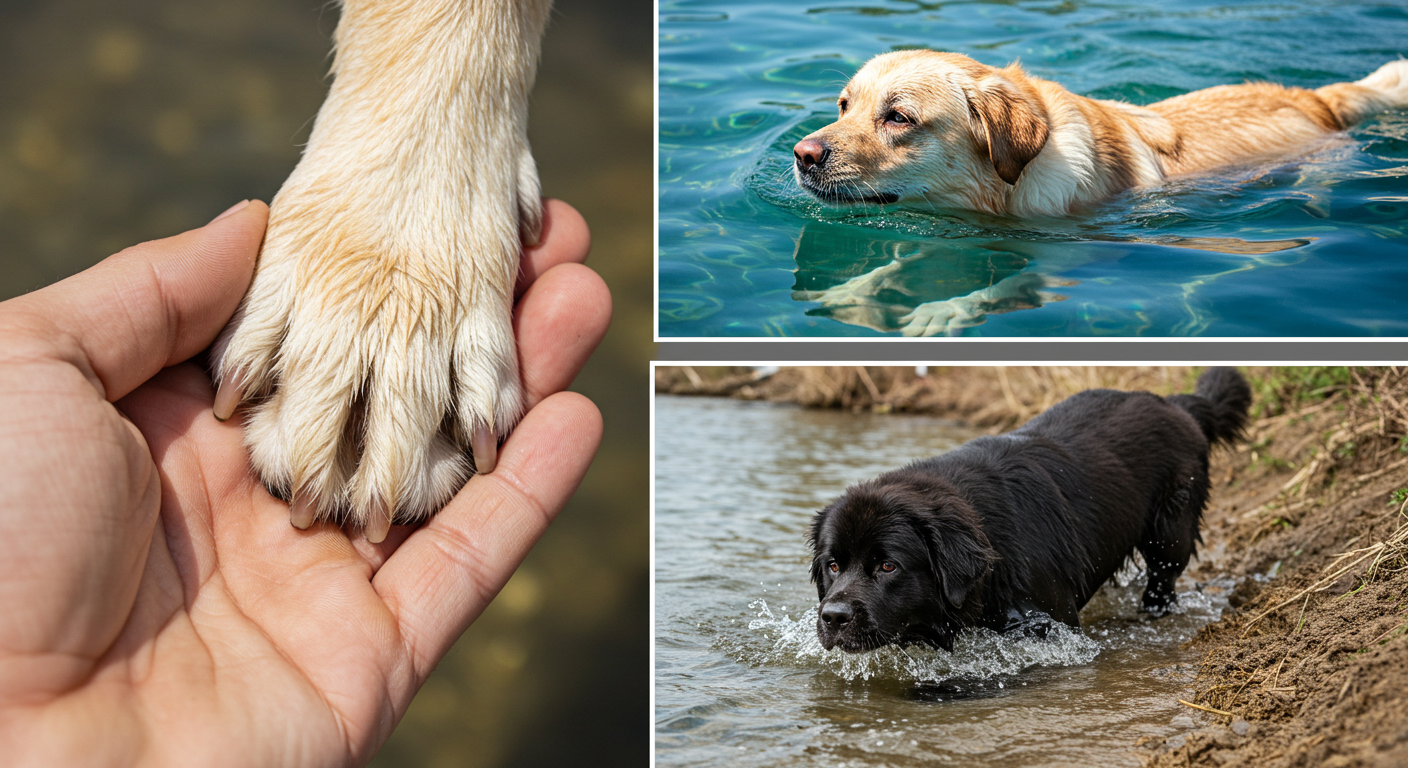
Here’s the quick scoop: yes, and no. Technically, every puppy starts life with a degree of webbing. During early fetal growth, mammal toes are fused by tissue. In most land animals, this tissue recedes before birth, but in canines, a whisper-thin layer remains. So if someone asks, “do all dogs have webbed toes,” the answer is yes, but with a major asterisk.
The real distinction lies in the thickness and extent of that membrane. For most household pets, it is barely thicker than a piece of cling film. However, dog breeds with webbed feet, such as Newfoundlands and Portuguese Water Dogs, retain skin that stretches farther toward the nails. These dogs with webbed paws utilize this trait like built-in flippers to slice through water, dig tunnels, and grip mud.
Two Types of Webbing
- Minimal webbing: Most terriers, toy breeds, and sighthounds fall into this category. The membrane simply hugs the pad and helps block grit.
- Functional webbing: Retrievers, spaniels, and working line breeds often boast a flexible, stretchy sheet that fans out under pressure.
If your dog has webbed feet that look stretchy and thick, that trait was likely preserved by breeders for a specific purpose.
Evolutionary Benefits
On paper, all paws share the same blueprint: four toes, a dewclaw, pads, and nails. In reality, tiny evolutionary tweaks provide massive advantages for specific environments.
Historical Origins
- Hunting efficiency: Early hunters noticed retrievers with broader webbing returned with ducks faster. A larger surface area creates stronger strokes and less resistance against currents.
- Working capability: Newfoundland fishermen relied on dogs to leap overboard and haul heavy nets. Extra webbing allowed these giants to push serious water with every kick.
- Terrain navigation: Otterhounds and Redbone Coonhounds were bred to chase prey through soggy marshes. Dogs with webbed toes act like they are wearing snowshoes, preventing them from sinking into the mud.
Common Webbed Breeds
- Labrador Retriever – Wondering, “do labs have webbed feet?” Absolutely. Their paws are as famous as their otter-like tails for swimming.
- Portuguese Water Dog – These dogs once delivered messages between ships, paddling through waves with powerful, webbed toes.
- Pitbull-Type Dogs – A common question is, “do pitbulls have webbed feet?” generally, most carry only light webbing. While some lines may show thicker skin, they are not typically classified as true water dogs.
- Dachshund – Surprisingly, this little tunneler ranks among the smaller what dogs have webbed feet. The membrane helps them move earth efficiently while digging.
How to Check Paws

You don’t need a vet degree to examine your dog's paws, just a relaxed routine. This is also a great time to practice handling exercises, similar to clicker training basics, to keep them calm.
- Pick the right moment: Wait until your dog is mellow after a walk.
- Position your dog: Sit on the floor and gently lift one paw, supporting the leg to avoid twisting.
- Spread the toes: Gently part two neighboring toes with your thumb and forefinger.
- Evaluate thickness: If the skin runs halfway to the nail tip, you have pronounced webbing.
- Check for debris: Look for thorns or seeds hiding in the pocket.
- Reward: Always praise your dog to make future paw checks easier.
Note: If any webbing looks swollen or smells funky, call your vet immediately.
Paw Care Tips
Because webbing traps water and debris, dogs with webbed feet require specific grooming habits.
Routine Maintenance
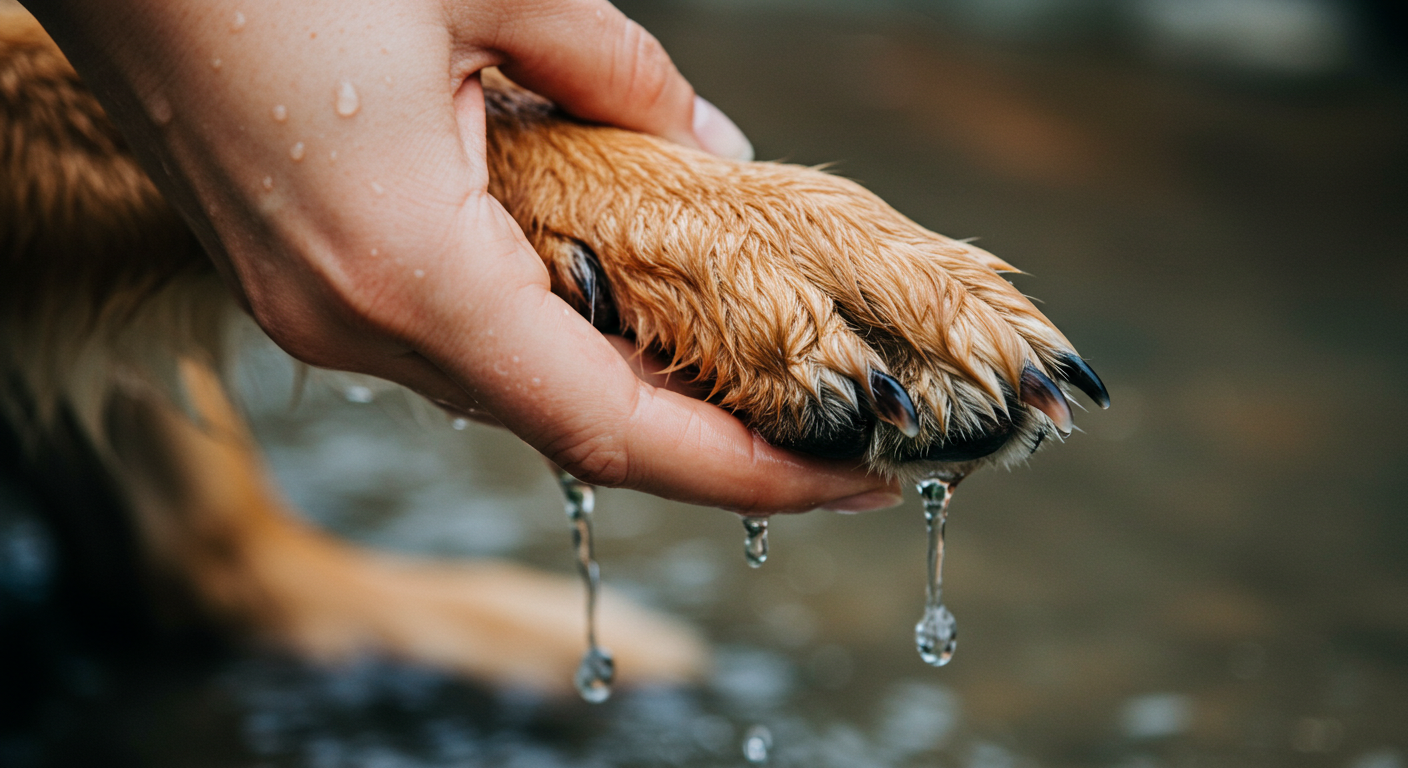
- Dry thoroughly: After water play, slide a towel between each toe. Damp webbing is a breeding ground for bacteria.
- Inspect often: Burrs and micro-pebbles love hiding in webbed paws.
- Trim nails: Overgrown nails can splay toes, stretching the membrane painfully. If your dog struggles with this, check our guide on how to cut uncooperative dogs' nails.
- Moisturize: Winter salt and hot pavement can crack pads. Use a dog-safe balm to keep the webbing supple.
Seasonal Precautions
- Spring: Watch for grass seeds sneaking into soft tissue.
- Summer: Hot sand can burn the sensitive skin between toes.
- Autumn: Wet leaf piles trap moisture; dry paws well after walks.
- Winter: Ice balls can cling to the hair between toes. Keep this fur trimmed.
Best Water Activities
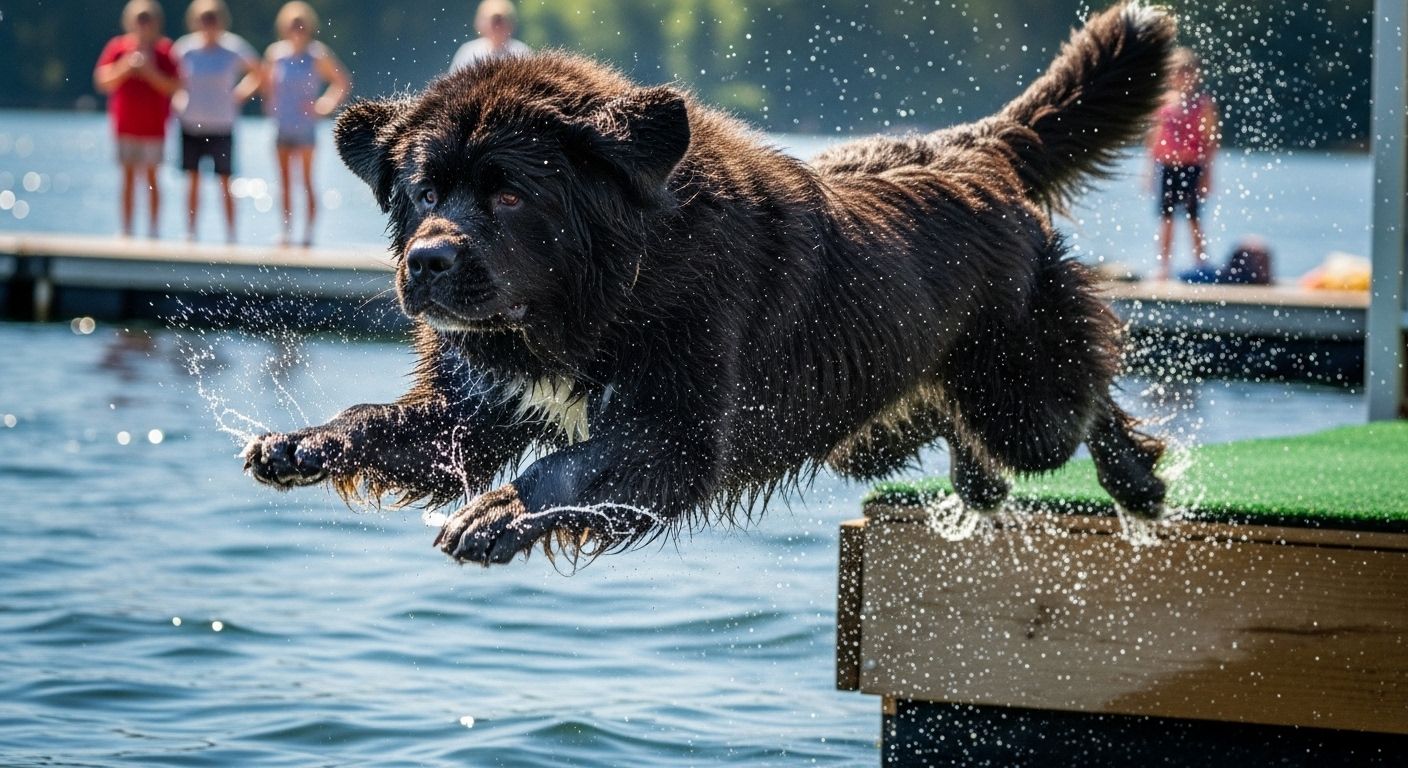
Knowing what dog breeds have webbed feet is interesting, but seeing them in action is better.
Aquatics and Games
- Dock diving: Start low to build confidence before attempting big jumps.
- Paddleboarding: Webbed paws provide excellent balance and a safety backup if they fall in.
- Retrieving: Toss floating toys into calm lakes. You can teach your puppy to fetch specifically for water scenarios.
- Water rescue: Breeds like Newfoundlands excel here due to their natural swimming power.
Land Challenges
- Sand sprints: Wide paws act like snowshoes, preventing sinking.
- Agility: Courses that involve tunnels or digging utilize natural instincts.
- Scent work: Hounds with webbed feet stay sure-footed even in muddy fields.
Safety tip: Even strong swimmers need safety gear. Ensure you have the best dog training equipment, including a properly fitted life jacket, for open water.
Health Concerns
For most pups, that little extra skin is beneficial. However, savvy owners should watch for specific issues linked to dog breeds with webbed toes.
Common Issues
- Interdigital cysts – Fluid lumps between toes, often caused by trapped debris.
- Yeast infections – Warm, damp pockets can smell and itch.
- Torn webbing – Sharp sticks can rip the membrane, which may require stitches.
- Hyperkeratosis – Excess keratin makes pads crusty and uncomfortable. Also, be sure to monitor for rough skin conditions like elbow calluses.
Warning Signs
- Limping after swimming
- Excessive Licking: If you notice constant attention to the paws, read our article on why dogs lick feet to understand the root cause.
- Swelling or redness
- Foul odor
Genetic Myths
Some people worry that webbed toes indicate hip trouble or "double-jointed" feet. There is no solid evidence linking webbed paws to skeletal issues. The only rare inherited concern is syndactyly, a condition where toes are fused by bone or skin, which is usually visible at birth.
Summary
So, do all dogs have webbed feet? From tiny Chihuahuas to giant Newfoundlands, every dog sports a hint of webbing. However, only specific breeds evolved tissue strong enough to act as nature’s swim fins. Knowing where your companion lands on that spectrum helps you tailor their exercise and grooming routines.
Next time your Labrador cuts through a lake or your mixed breed finds traction on a slick trail, appreciate that biological advantage. Keep the webbing clean, nails trimmed, and adventures frequent.