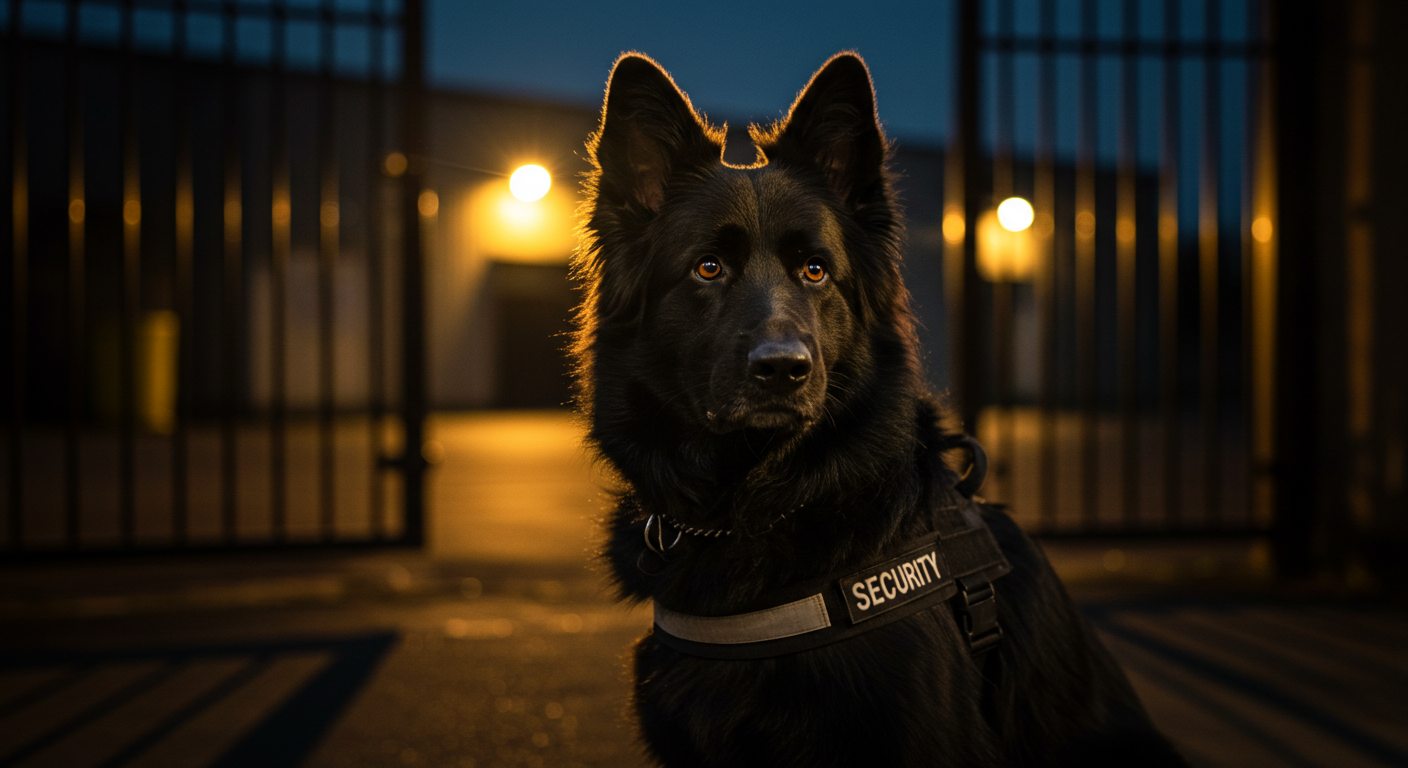
Imagine a guardian that combines elite strength with unwavering loyalty. A German Shepherd security dog is more than a pet; they are a sophisticated protection asset for families and businesses. While their intimidating presence alone is often enough to deter threats, their intelligence and drive make them the gold standard for personal security.
Whether you are looking to raise a fearless puppy or find a German Shepherd guard dog for sale that is already fully trained, understanding the commitment involved is crucial. This guide covers breed instincts, essential gear, training requirements, and the realities of daily life, helping you decide if this powerful protector is the right partner for your safety needs.
Why They Excel
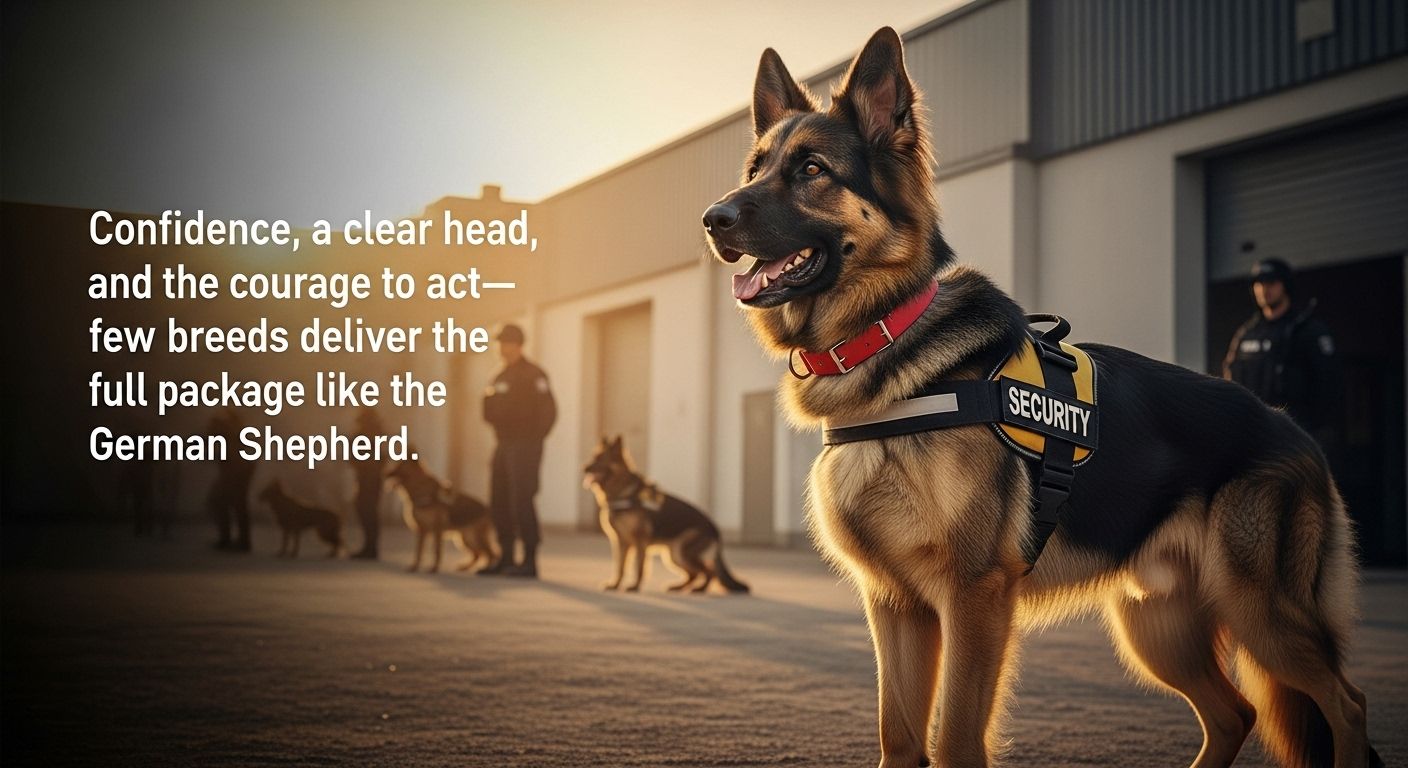
“Confidence, a clear head, and the courage to act, few breeds deliver the full package like the German Shepherd.”
Working Heritage
Long before they joined police units and military teams, German Shepherds herded sheep on rugged hillsides. Early breeders picked dogs that could think independently, solve problems fast, and stay focused for hours. Those same traits now power today’s German Shepherd security dogs, gsd protection teams, and search-and-rescue heroes.
Instinctive Edge
Even without formal schooling, German Shepherd guard dogs will naturally bark at strangers, stand between you and a threat, and scan new places for danger. Training simply turns that raw instinct into a reliable tool you can switch on or off.
- Athletic build – up to 90 pounds of muscle that can sprint over 30 mph
- Super-charged nose – scenting skills that rival a Bloodhound
- Quick learner – many pick up a new cue in just five repetitions
- Stable nerves – fierce on duty, mellow with kids once the job is done
Lineage Differences
Shopping for a personal protection dog? Focus on East German, Czech, or West German working lines. As explained in our comparison of working line vs show line German Shepherds, show lines look stunning in a ring, but they are bred mainly for beauty and may lack the high drive required for serious security work.
Selecting Your Dog
Finding the right dog is half the job. Ask yourself, do I want to mold a pup from scratch, polish a talented teenager, or unwrap a fully trained pro?
Age Considerations
- Puppy (8–16 weeks)
- Cost: lower upfront, highest time investment
- Pros: bond from day one; shape every habit
- Cons: 18–24 months before you can truly rely on protection
- Green Dog (10–18 months)
- Cost: mid-range
- Pros: you can already judge nerves and drive
- Cons: still needs a professional protection program
- Trained German Shepherd for sale (18 months +)
- Cost: highest sticker price
- Pros: instant security; proven under pressure
- Cons: dog must learn your lifestyle and cues, expect a short transition period
Temperament Testing
Look for curiosity, solid nerves, and a balanced mix of prey and defense drive. Reputable kennels let you watch the dog on slick floors, around loud noises, and when a stranger walks up. A confident dog recovers fast after any surprise.
Health & Documentation
A genuine German Shepherd guard dog for sale should arrive with:
- Hip & elbow X-rays certified by OFA or SV
- DNA printout to prove lineage
- Vaccination record adhering to a standard puppy vaccine schedule plus an ISO-compatible microchip
- Purchase contract spelling out replacement or refund terms
Where to Buy
Specialized vendors list German Shepherd security dogs for sale around the globe. Pick breeders who invite you to visit, show real training logs, and include a handler course. Be cautious of "cheap German Shepherd protection dogs for sale" that live only on a flashy website.
Training Foundations
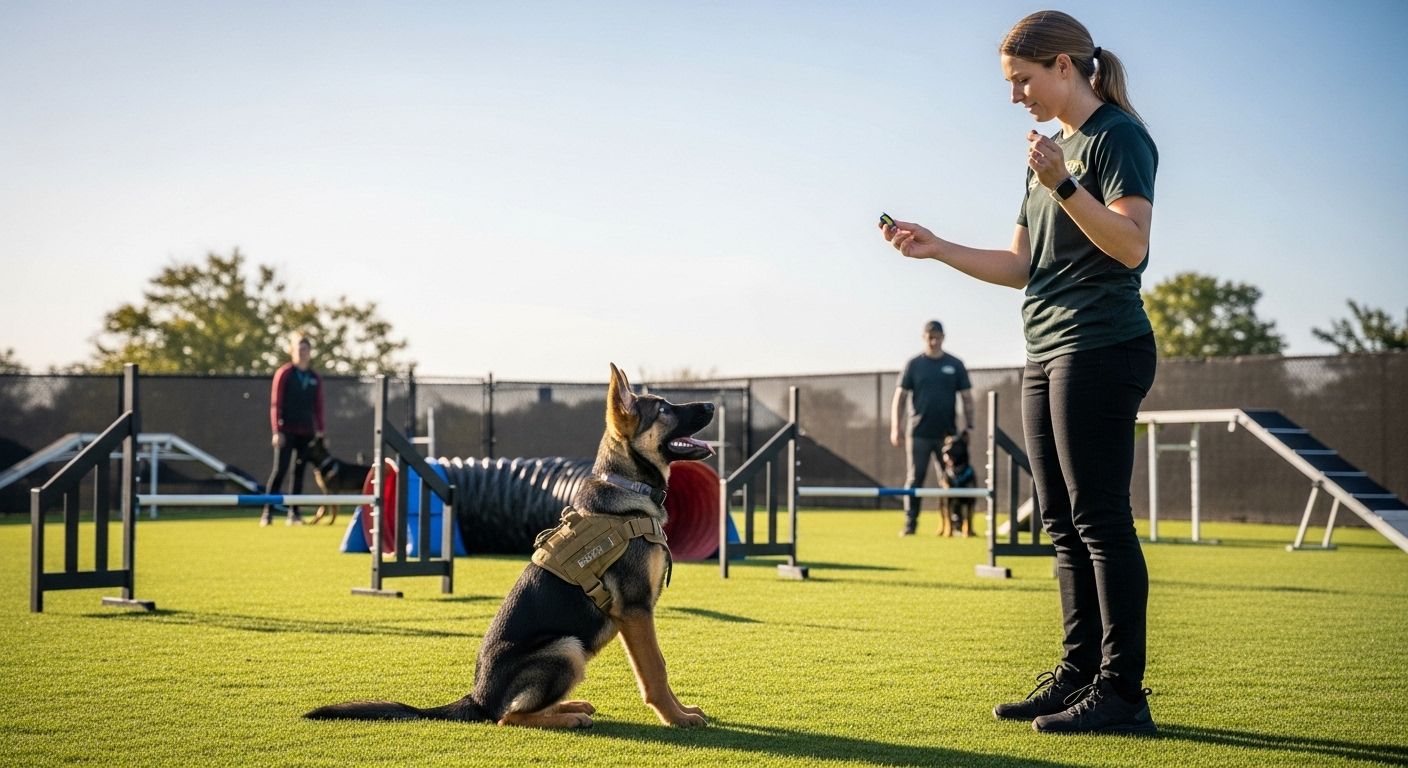
Before your dog learns a bark-and-hold, it needs rock-solid manners. No shortcuts here.
Early Socialization
Introduce your pup to busy streets, slippery floors, uniforms, kids, bikes, everything! Calm, positive exposure before 16 weeks prevents fear-based aggression later on. Learning how to desensitize a dog to strangers is critical for a balanced security dog.
Core Obedience
- Sit & Down: self-control starter kit
- Place: go to a mat and chill until released
- Heel: walk politely past distractions, learn how to teach a dog to heel effectively
- Recall: come instantly, every time
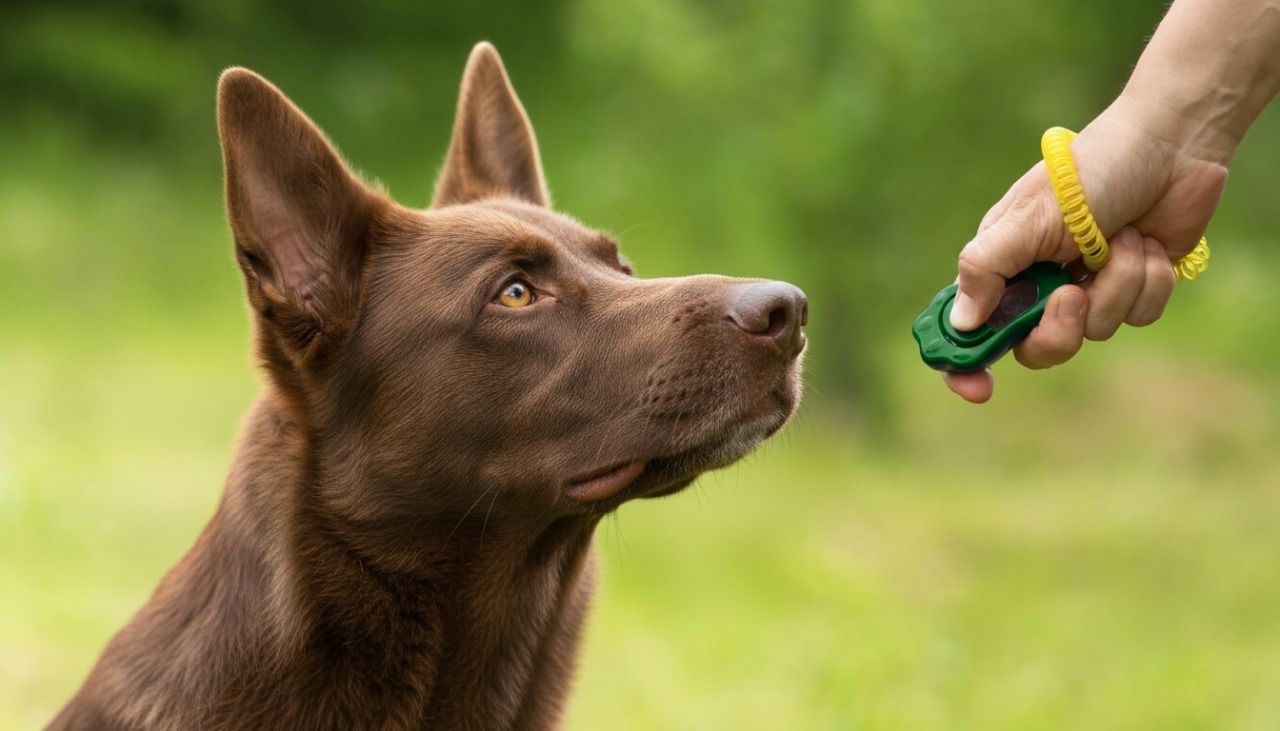
Keep sessions short and fun. A clicker plus treats adds clarity; gentle corrections come only after the dog fully understands the cue.
Building Drive
Play tug, let your pup "win," and channel prey drive into a toy, never your sleeve or pant leg. That playful tug now becomes the foundation for controlled bite work later.
Protection Training Steps
Wondering "how to train German Shepherd" for security? Real protection work isn't a YouTube DIY project. It needs expert coaching, legal awareness, and steady progress.
1. Alert on Command
A decoy taps a padded stick against a fence. You cue "Watch him!" Your dog barks, decoy backs off, praise party happens. End with a "Quiet" cue so barking never goes on forever.
2. Target & Grip
Hello, bite sleeve. Your dog must bite deep, hold with full mouth pressure, then release on command. Proper grip prevents broken teeth and sloppy nips. For more details on equipment, check our dog bite training guide.
3. Civil Aggression
No sleeve, no bite suit, just a real-life threat. Your dog learns that it's the intent of the bad guy, not the equipment, that matters. Sessions stay short to avoid mental overload.
4. Scenario Training
Night drills, stairwells, car extractions, family cookouts, mix it up! Rotate decoys so your dog doesn't lock onto one person. Goal: a German Shepherd protection dog who spots a threat without misreading your neighbor's high-five.
5. Handler Certification
Many teams use IGP or PSA sport rules as benchmarks, then add custom tasks like purse-snatch prevention or home-invasion defense. A certificate gives you proof of competence for insurance or legal needs.
Daily Life & Management
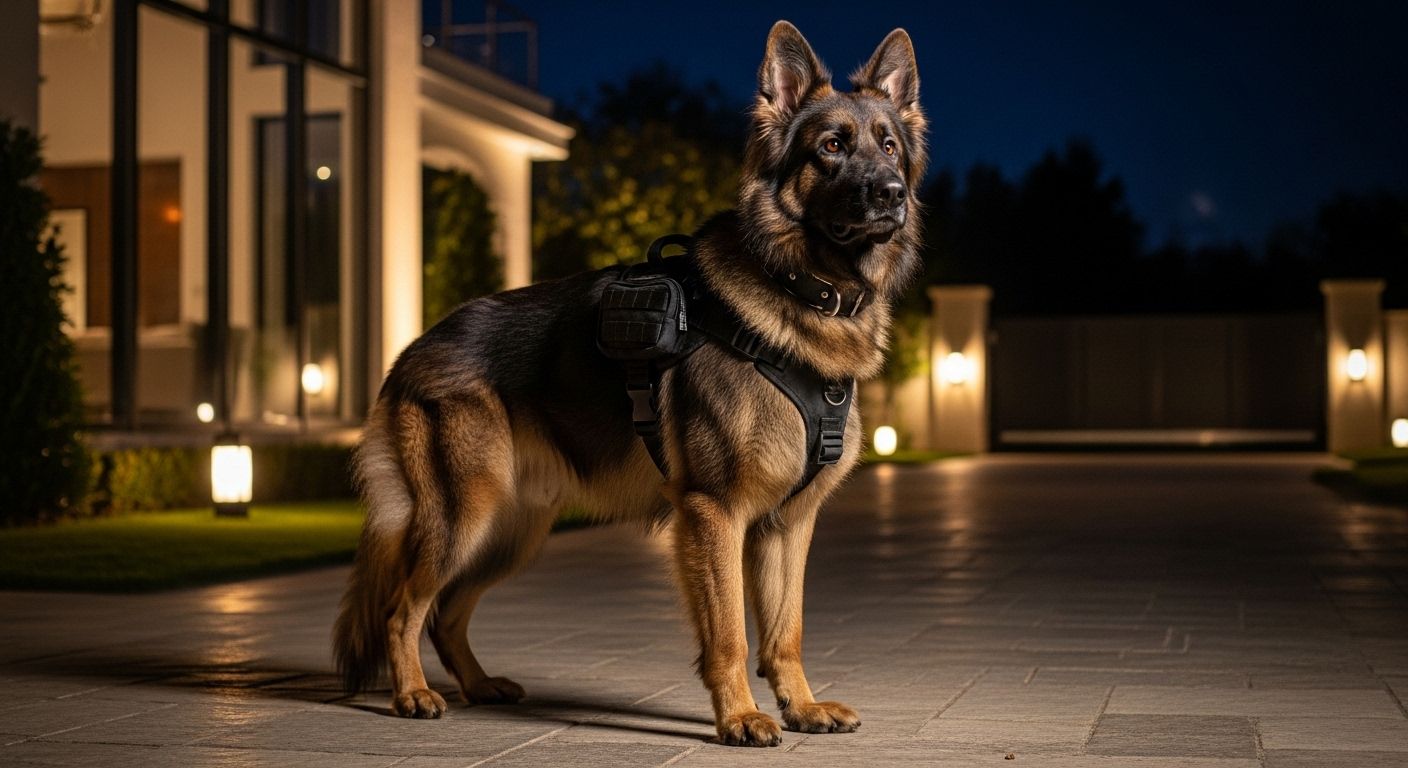
Owning a GSD protection dog is a lifestyle, not a Saturday hobby. Ready for the ride?
Routine & Exercise
Plan on two hours of physical exercise plus one mental game every day.
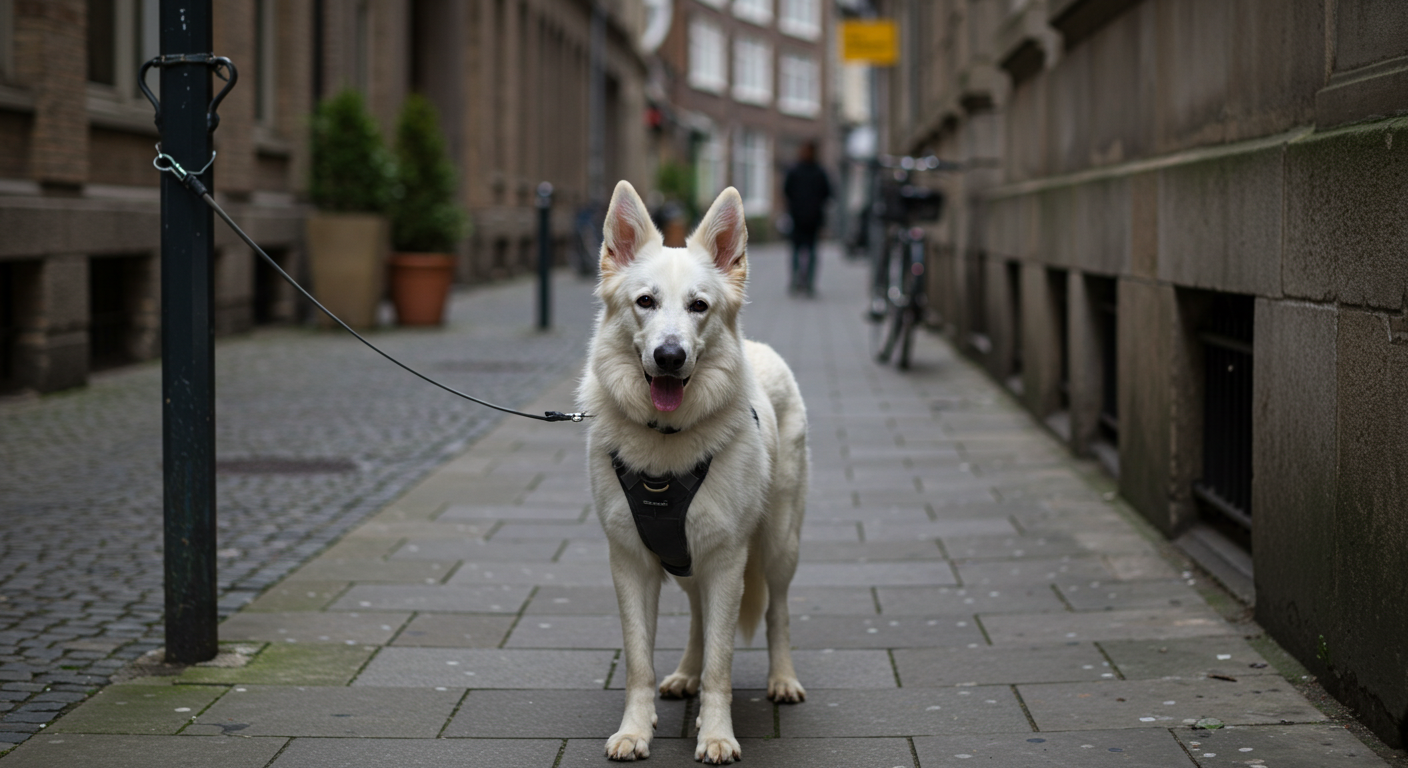
- Structured walks lock in leash manners
- Obstacle drills use park benches or homemade agility gear
- Scent games hide treats or toys and let that mega-nose work
Family Integration
Kids must respect the dog's space, no neck hugs or bowl-grabs. German Shepherds can be good with kids, but strict supervision is a must. Read our expert tips on raising German Shepherds with children to ensure safety for everyone.
Urban vs. Rural
City apartment? Fine, just schedule multiple outings and find a secure off-leash zone. Country acreage? Perfect, but install fencing so wildlife chases don't end in disaster.
Ongoing Training
Book refresher training every quarter. Commands fade without stress-proof practice, especially the all-important release cue.
Costs & Legalities
Up-Front Investment
A fully trained German Shepherd for sale typically runs $25,000–$70,000 USD. Elite executive dogs with multilingual commands or scent detection can break $100K.
Annual Expenses
- Quality food & supplements: $900–$1,400 (See our top dog food picks)
- Veterinary care & insurance: $700–$1,200
- Refresher training: $500–$1,000
- Equipment: $250-ish for muzzles, leads, bite sleeves
Legal Responsibility
In many areas, a protection dog may be classified differently under civil law. You are liable for any bite called excessive. Familiarize yourself with dog bite liability laws in your region. Know your local rules on leash length, warning signs, and transport crates.
Great training isn’t just about control, it’s your best friend in court.
Retirement Planning
Around age 7–9, most German Shepherd guard dogs slow down. Shift them to lighter duties, deterrent patrols, family walks, and start grooming a successor if you still need active security. Using the best hip and joint supplements alongside weight control can keep senior dogs comfortable.
The Bond
Yes, they're tough at work, but trained German Shepherds are giant softies at heart. Owners often say retirement is when their stoic guardian turns into a couch-hugging lap dog. Plan for that sweet phase; they've earned every belly rub.
Key Takeaways
A German Shepherd security dog gives you a rare mix of heart and horsepower, but only when genetics, training, and daily management line up. Choose the right bloodline, invest in expert help, and commit to lifelong care. Do that, and you'll gain more than a sentry; you'll welcome a devoted friend who lets you live and work with total confidence.