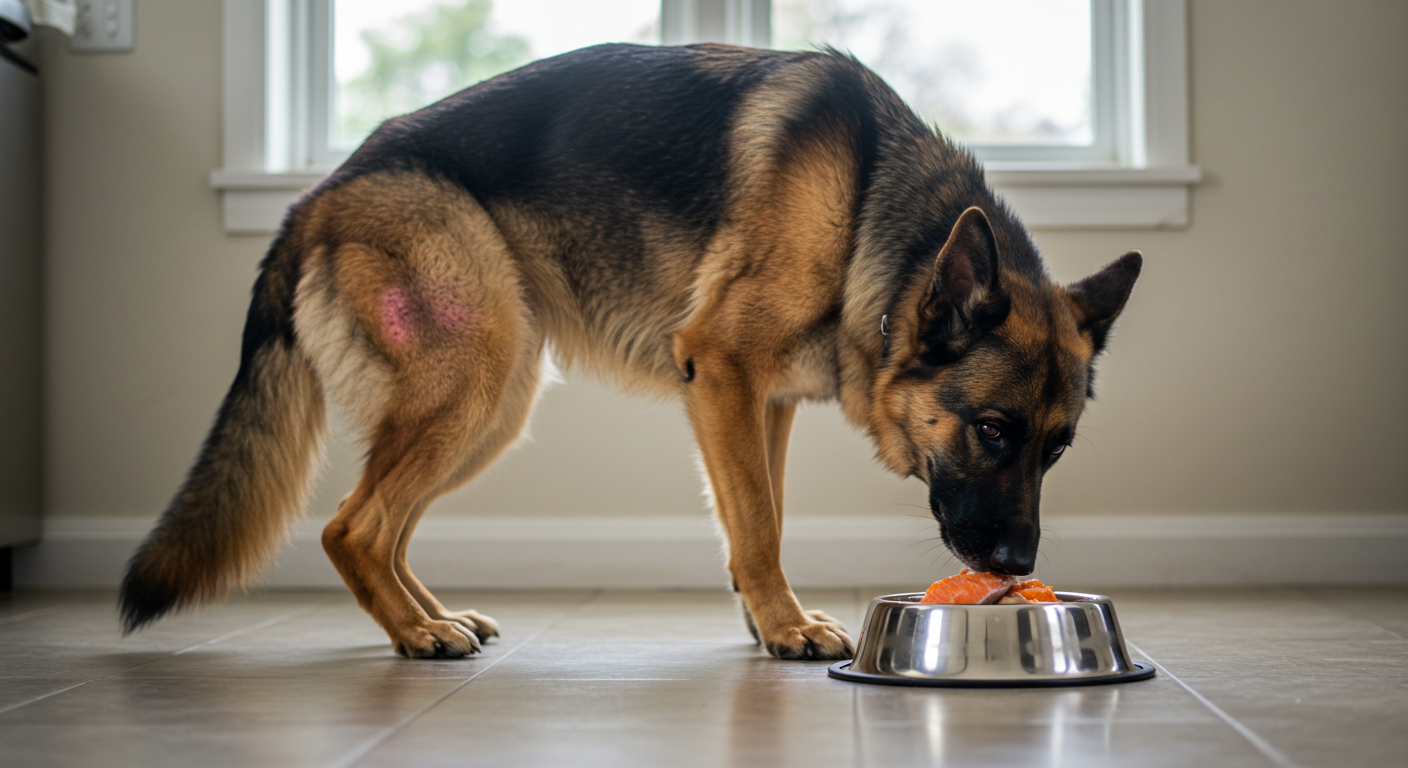
Is your dog keeping you up with midnight paw-licking? Does a simple belly rub turn into a frantic scratching session? If your pet’s coat looks patchy and they seem uncomfortable, the culprit might be hiding in their food bowl. Finding good dog food for dogs with itchy skin is often the most effective way to break the cycle of irritation and restore your pet's comfort.
Diet plays a massive role in skin health. While environmental factors exist, what goes into your dog's stomach directly impacts their coat condition. In this guide, we will explore the best dog food for itchy skin, identify ingredients to avoid, and provide an actionable 8-week plan to help your best friend feel their best again.
1. Diet and Skin Health

Your dog’s skin is a direct reflection of their gut health. When specific proteins or grains irritate the immune system, the body releases histamine. This inflammatory response manifests as red armpits, ear infections, and chewed paws.
How do you distinguish food allergies from environmental ones? Look for these three clues:
- Year-Round Itching: Symptoms persist even in winter when pollen is gone.
- Resistant Scratching: Flea treatments and medicated baths provide little relief.
- Digestive Issues: Dog diarrhea, gas, or soft stool often accompany the skin problems.
If these signs sound familiar, your focus should shift to nutrition. Unlike dust mites, you have full control over your dog's diet.
2. Choosing the Right Food
Many commercial kibbles rely on common allergens like chicken, beef, or dairy, often filled with corn or wheat. To find the best dog food for itchy skin, you need to look for high-quality alternatives. For a broader look at top-tier nutrition, check out our guide on the healthiest dog food in 2025.
Aim for recipes that meet these criteria:
- Simple Proteins: Single-source proteins make it easier to isolate triggers.
- Novel Ingredients: Formulations using duck, venison, or rabbit are often the best dog food for sensitive skin.
- Quality Carbohydrates: Swap fillers for nutrient-dense options. Can dogs eat sweet potatoes? Yes, and they are an excellent, soothing carbohydrate source.
- Skin Nutrients: Look for high levels of Omega-3s, zinc, and Vitamin E.
Label Reading Guide
- Single-protein Sources: Look for "100% Salmon" or "Turkey" as the first ingredient.
- AAFCO Statement: Ensures the food is nutritionally complete.
- Limited Ingredients: Fewer ingredients mean fewer potential allergens.
- Omega-3 Fatty Acids: Ingredients like salmon oil help reduce inflammation.
- No Artificial Additives: Avoid artificial colors and preservatives completely.
You will often see bags labeled as the best hypoallergenic dog food or dog food for sensitive skin. While helpful, always verify the ingredient list on the back.
3. The Elimination Diet
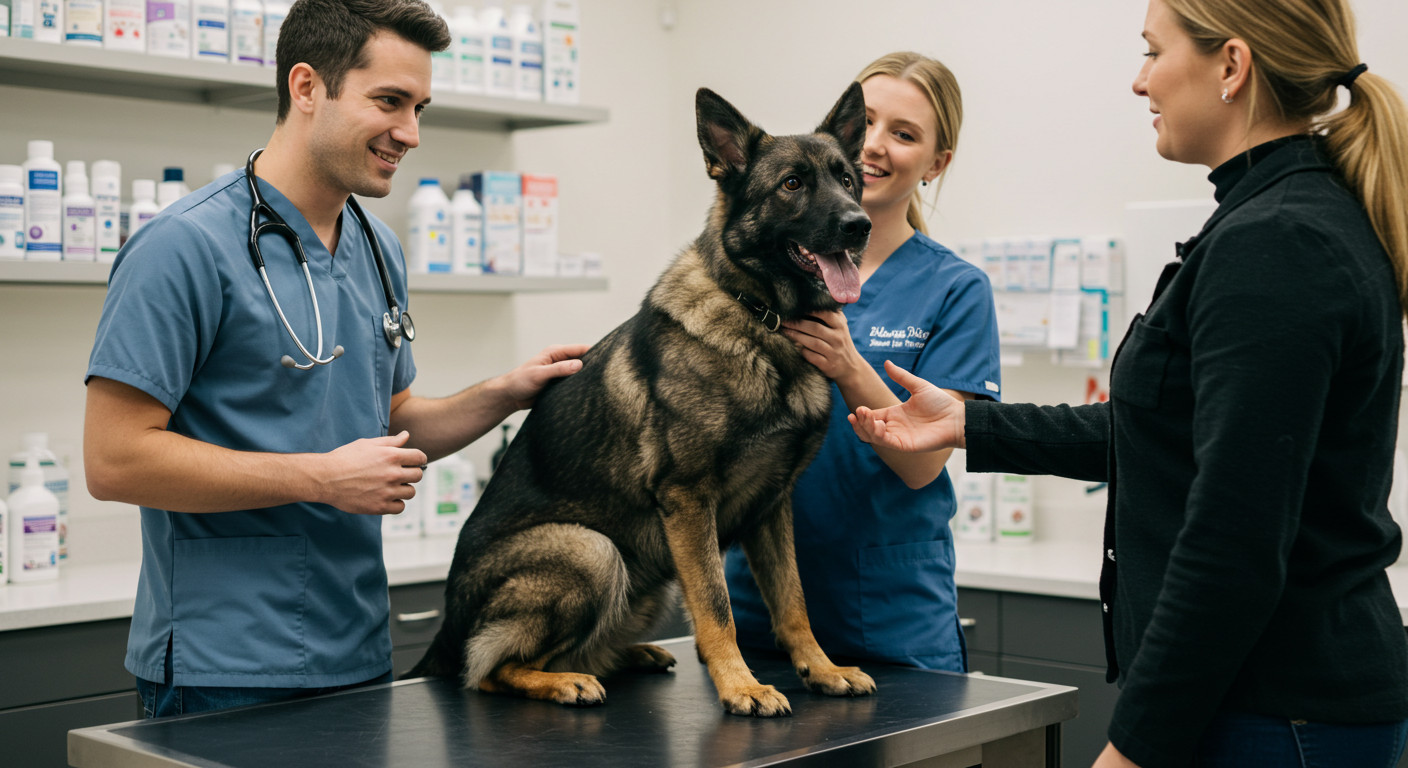
Guessing which ingredient is causing the itch is inefficient. An organized elimination diet is the gold standard for identifying food sensitivities.
Week 0: Preparation
- Veterinary Check: Rule out mites or thyroid issues first.
- Select Food: Choose a hydrolyzed prescription diet or a limited-ingredient formula.
- Remove Extras: Stop all flavored meds, table scraps, and treats.
Weeks 1-2: The Transition
Avoid digestive upset by switching foods slowly. This is especially important if you are looking for the best dog food for sensitive stomach issues alongside skin problems.
- Day 1-2: 25% new / 75% old
- Day 3-4: 50% new / 50% old
- Day 5-6: 75% new / 25% old
- Day 7: 100% new
Weeks 3-8: Strict Trial
Feed only the trial food. You can use dehydrated pieces of the specific meat protein as treats. Track these metrics:
- Itch Score: Rate daily from 0-10.
- Stool Quality: Monitor for firmness.
- Coat Condition: Look for shine and hair regrowth.
If the itching reduces significantly by week 8, you have likely found the issue. Reintroducing the old food briefly can confirm the diagnosis if symptoms return.
4. Ingredients to Watch
When searching for the best dry dog food for skin allergies, keep this cheat sheet handy.
Skin-Loving Heroes
- Fish: Salmon and sardines provide essential EPA & DHA. Even tuna fish in dog food can be beneficial in moderation.
- Sweet Potato & Pumpkin: Gentle fiber sources that support digestion.
- Zinc-Rich Meats: Lamb and turkey support skin barrier function.
- Coconut Oil: Contains medium-chain fats that may soothe dry skin.
Common Villains
- By-Product Meals: Highly processed and often inconsistent quality.
- Wheat Gluten: A common trigger in sensitive skin dog food failures.
- Artificial Dyes: Ingredients like Red 40 offer no nutritional value.
- Excessive Omega-6: Cheap vegetable oils can increase inflammation if not balanced with Omega-3s.
5. Fresh and Raw Options
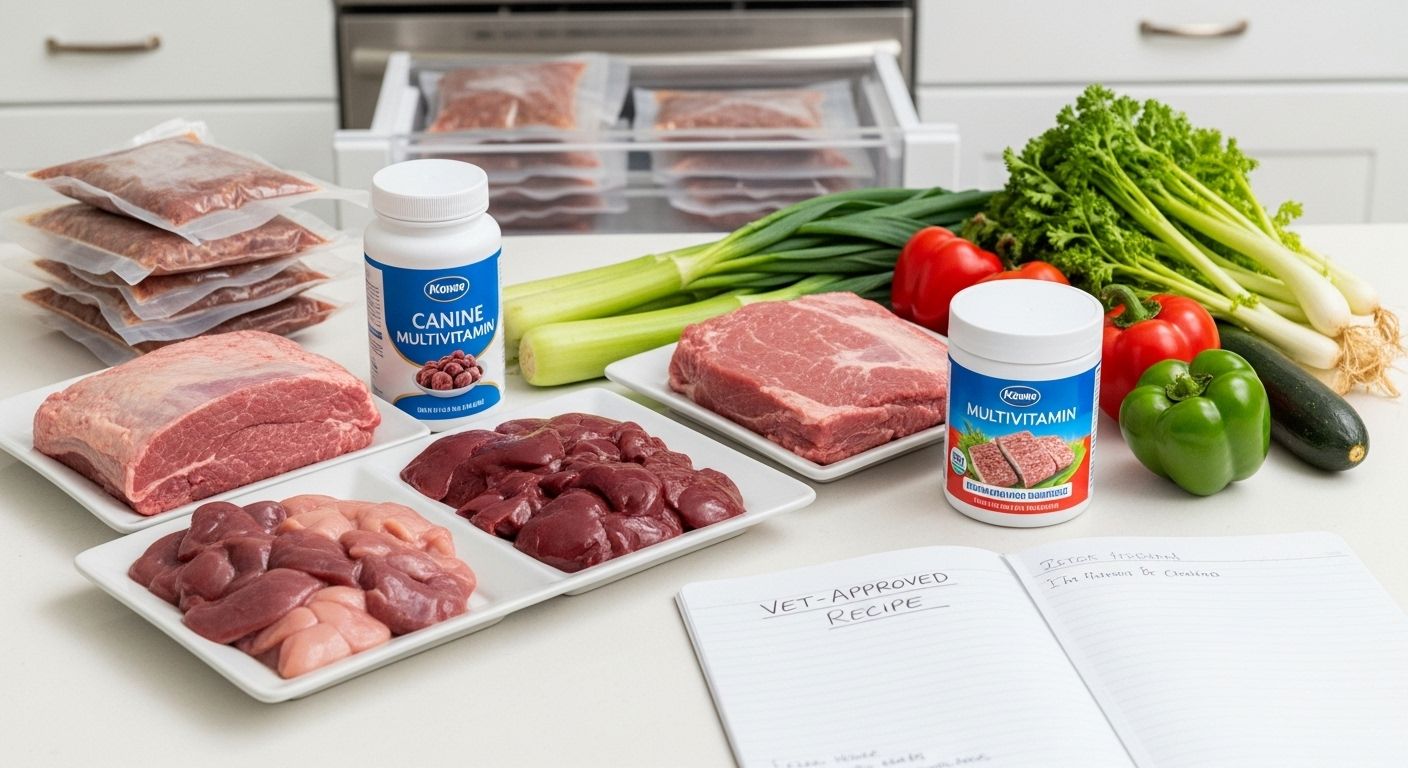
Many owners find the best dog food for itchy dogs isn't kibble at all, but fresh or raw diets. However, homemade diets require strict attention to detail to avoid malnutrition.
- Vet-Formulated Recipes: Essential to ensure calcium and phosphorus balance.
- Protein Rotation: Change proteins every few weeks to prevent new allergies.
- Organ Meats: Liver and kidney provide crucial vitamins.
- Gut Health: Adding dog probiotics can strengthen the immune system from the inside out.
Always consult your vet before switching to raw, especially regarding food safety and bacteria management.
6. Long-Term Management
Nutrition is the foundation, but management is key for dog skin allergies.
- Grooming: Use the best brush for your dog weekly to remove dander and environmental allergens.
- Supplements: Quercetin and fish oil can boost the effectiveness of dog food for sensitive skin.
- Environment: Wash bedding weekly and use HEPA filters to reduce dust mites.
- Topicals: Treat hot spots immediately with a topical spray.
- Weight Control: Maintain a healthy weight to prevent skin folds where yeast bacteria thrive.
According to the Clinical Nutrition Service at Tufts University, diagnosing food allergies requires patience, but the results are worth the effort.
Conclusion
Finding good dog food for dogs with itchy skin is a systematic process, not a guessing game. By reading labels, choosing limited ingredients, and committing to an elimination diet, you can identify the root cause of the itch.
Combine a high-quality diet with regular grooming and a clean environment, and you will likely see a happier, glossy-coated companion within a few months. Your dog’s comfort is worth every label you read.