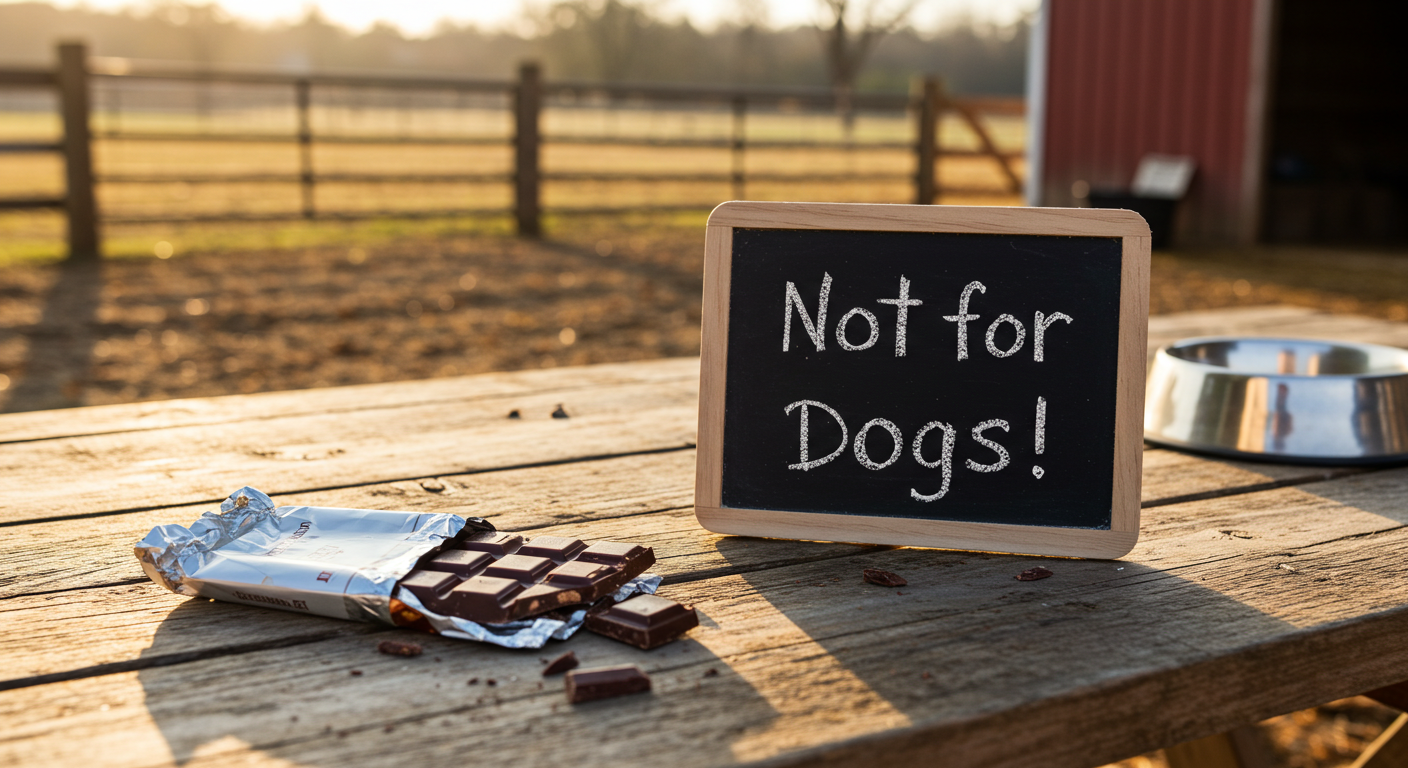
Finding an empty wrapper on the floor is a nightmare scenario for any pet parent. Immediate panic sets in, followed by the frantic search for answers: how much dark chocolate can kill a dog? The answer depends heavily on your dog's weight and the cocoa concentration, but time is always of the essence. Chocolate contains compounds that are severely toxic to canines, and understanding the risks is the first step in prevention.
Whether your dog ate a chocolate chip cookie or devoured a plate of brownies, you need to assess the danger level quickly. This guide breaks down lethal dosages, how to spot warning signs, and the critical steps you must take to ensure your furry friend survives this common but dangerous accident.
Toxicity Causes
Chocolate contains two main troublemakers: theobromine and caffeine. While humans metabolize these easily, dogs process them much slower, allowing toxic levels to build up. Theobromine specifically targets the heart, central nervous system, and kidneys.
Dark chocolate and baking chocolate carry the highest concentrations of these toxins. Even white chocolate dogs might eat isn’t good for your pup. While it contains negligible theobromine, it is loaded with sugar and fat, which can lead to pancreatitis. If you are asking, “is white chocolate bad for dogs?” the answer is yes, it is not lethal like dark chocolate, but it is still dangerous for their digestion.
Lethal Dosage Levels
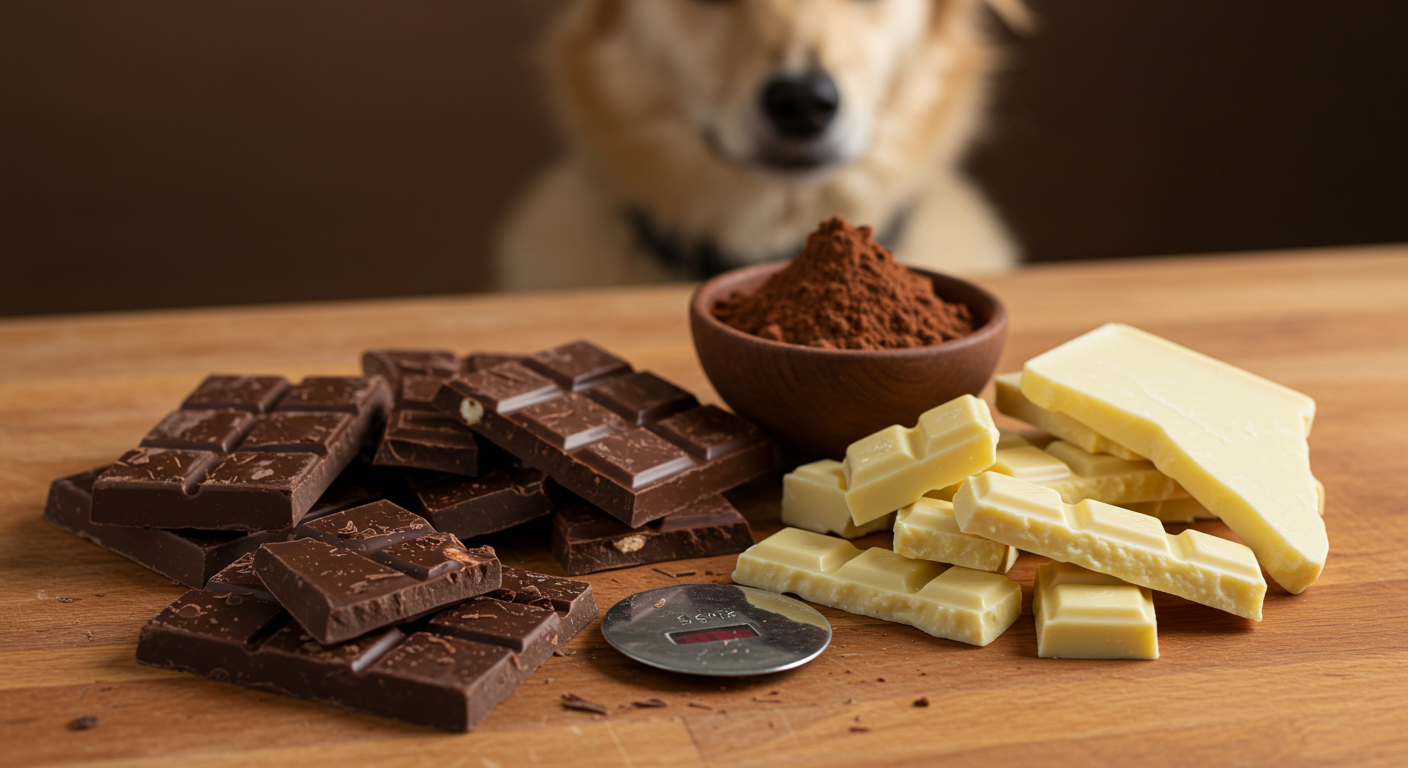
To answer "how much dark chocolate can kill a dog" accurately, you must look at the concentration of cocoa. The darker the chocolate, the higher the risk. Understanding your dog's size is also crucial; you can reference a feeding chart by age to get a better sense of weight management, which correlates to toxin tolerance.
Here is the breakdown of risk:
- Dark Chocolate: About 0.13 ounces (roughly 3.7g) per pound of body weight can cause severe toxicity. For a small dog, less than an ounce can be fatal.
- Milk Chocolate: Owners often ask, “how much milk chocolate is bad for a dog?” It takes about 0.5 ounces (14g) per pound to cause clinical signs. This might seem like a lot, but a medium-sized dog can easily consume this amount in a sitting.
- Baker’s Chocolate: This is the most dangerous form. Just 0.1 ounces (2.8g) per pound can be deadly due to the high purity of cocoa.
- White Chocolate: “Is white chocolate dangerous for dogs?” It rarely causes poisoning, but the high fat content creates significant gastrointestinal distress.
For context, a 20-pound dog could show severe symptoms after eating just 2.5 ounces of dark chocolate. If you suspect your pet has ingested a lethal dose, you may need to visit the emergency vet chocolate treatment center immediately.
Common Risky Foods
It isn't just pure chocolate bars that pose a threat. Theobromine hides in many baked goods. If you are worried because your dog ate a chocolate brownie or a similar treat, check the ingredients list for cocoa powder.
- Chocolate Chip Cookies: A "dog ate chocolate chip cookie" scenario is common. While one cookie might not kill a large dog, the chocolate chips contain concentrated cocoa that can hurt small breeds.
- Brownies: If you find yourself saying, "my dog ate a chocolate brownie," take it seriously. Brownies often use baker's chocolate or cocoa powder, making them more toxic than milk chocolate bars.
- Ice Cream: Can dogs eat chocolate ice cream? No. The combination of dairy, sugar, and chocolate is a recipe for severe stomach upset.
- Raisin Mixes: If your dog ate chocolate covered raisins, the danger doubles. Raisins are highly toxic to canine kidneys.
Warning Signs
Chocolate poisoning symptoms can take 1 to 12 hours to appear. It is vital to monitor your dog closely if you suspect they have eaten anything sweet.
Common symptoms include:
- Vomiting or Diarrhea: This is often the first sign. For general advice on digestive issues, read about dog diarrhea causes and relief.
- Restlessness: Pacing or an inability to get comfortable.
- Rapid Breathing: Panting when not hot or exercised.
- Muscle Tremors: Shaking or twitching.
- Seizures: Indicates severe poisoning.
According to the Merck Veterinary Manual, signs can last for days because theobromine has a long half-life in dogs.
Emergency Steps
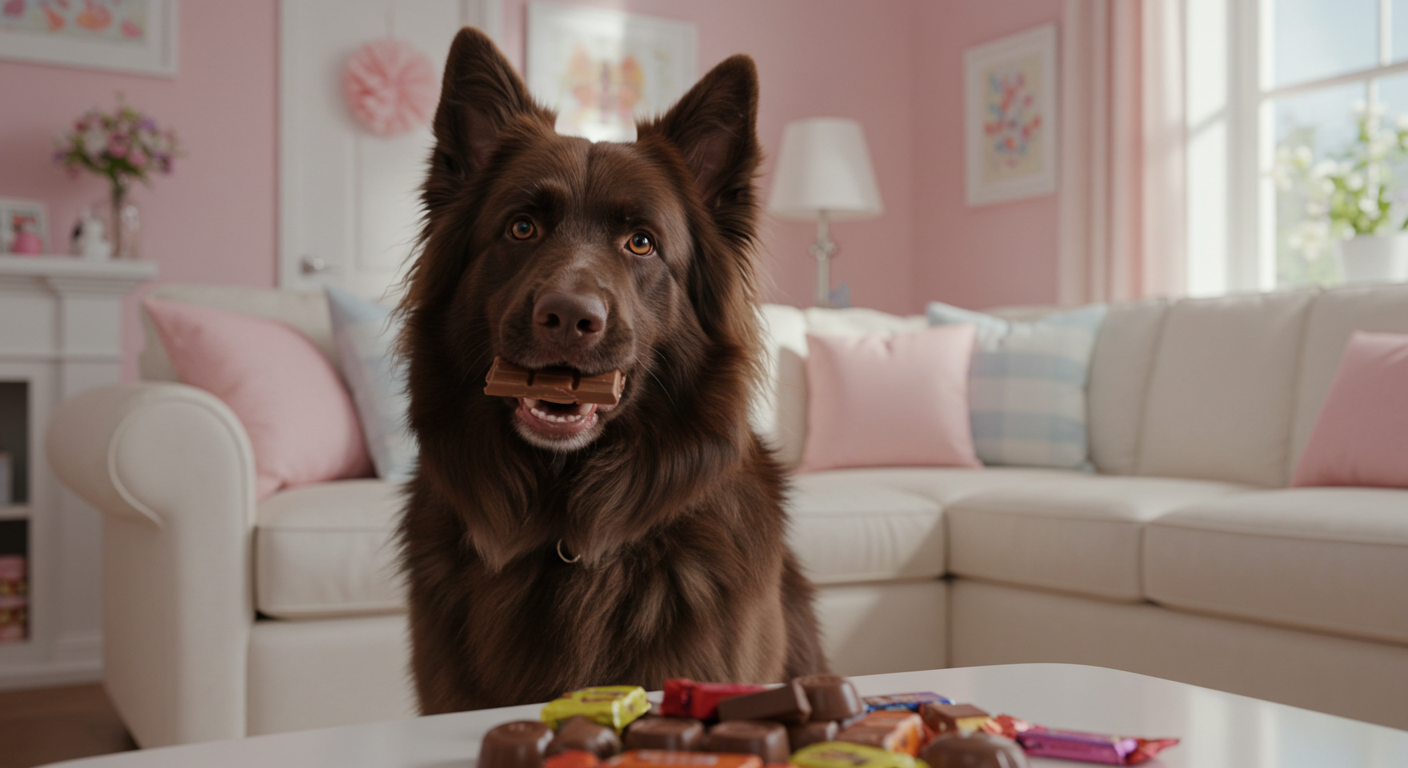
If you discover your dog ate brownies or any cocoa product, follow these steps immediately:
- Stay Calm: Your dog picks up on your stress.
- Gather Evidence: Find the wrapper. Determine the type (dark, milk, semi-sweet) and how much is missing.
- Weigh Your Dog: Knowing their weight is critical for the vet to calculate toxicity.
- Use a Calculator: A dog chocolate calculator can provide a quick risk assessment.
- Call the Vet: Contact your veterinarian or the Pet Poison Helpline immediately.
- Do Not Induce Vomiting Without Approval: In some cases, your vet may instruct you to make the dog throw up. Make sure you know how to induce vomiting in dogs safely before attempting this.
Hidden Dangers
Chocolate isn't the only hazard in the kitchen. When reviewing what your dog ate, consider concurrent toxins.
- Xylitol: Many sugar-free chocolates contain Xylitol, which causes a rapid drop in blood sugar and liver failure. Always check for products with xylitol in your home.
- Caffeine: Found in energy bars and chocolate-covered coffee beans, caffeine amplifies the heart risks associated with chocolate.
- Cocoa Mulch: Used in gardening, this smells delicious to dogs but contains massive amounts of theobromine.
Veterinary Treatment
If the chocolate toxicity symptoms indicate a dangerous dose, professional treatment is required.
Veterinary protocol usually involves:
- Decontamination: Inducing vomiting if ingestion was recent (usually within 2 hours).
- Activated Charcoal: Activated charcoal dog treatment helps bind toxins in the stomach to prevent absorption.
- IV Fluids: To flush the kidneys and support heart function.
- Monitoring: Watching for heart arrhythmias or seizures.
Prevention Tips
The best cure is prevention. To stop accidents before they happen:
- Secure Storage: Keep baking supplies and candy on high shelves.
- Train "Leave It": A solid obedience command can save a life if you drop a piece of chocolate.
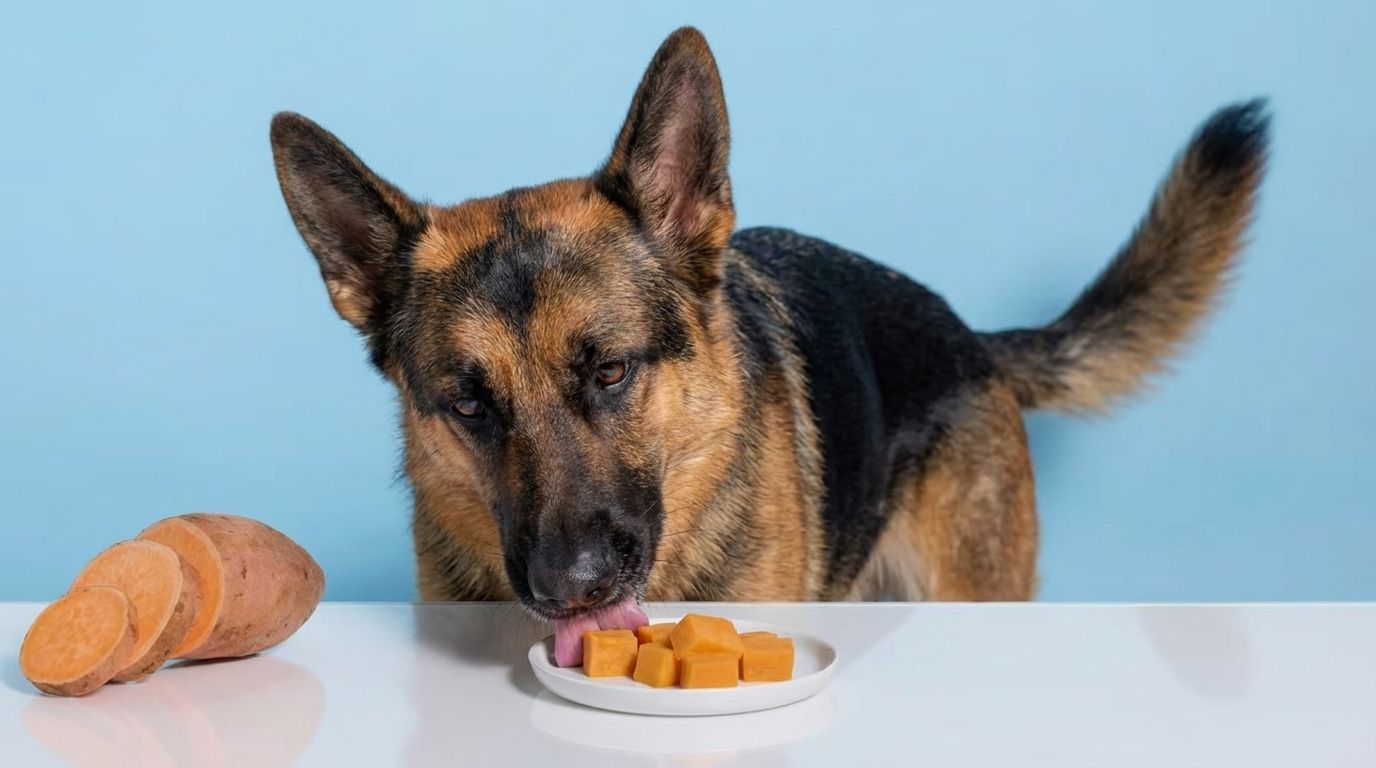
- Safe Alternatives: If you want to spoil your dog, choose safe human foods. For example, sweet potatoes or watermelon make excellent, low-calorie treats.
Ultimately, knowing how much dark chocolate can kill a dog allows you to act fast. Even if your dog ate chocolate cake or a single cookie, vigilance is key. Always error on the side of caution and consult a professional when in doubt.