Spotting blood on your favorite rug is a dread every pet owner faces. Fortunately, managing your dog's heat cycle doesn't require constant cleaning or stress. Period diapers for dogs offer a practical, sanitary solution to keep your furniture spotless and your pet comfortable.
Whether you are looking for dog menstrual pads or full-coverage female dog diapers, this guide covers everything you need to know. We will explore how these products work, how to fit them correctly, and the best hygiene practices to prevent irritation. Read on to discover how to stop a dog in heat from bleeding all over your home while keeping her happy.
Understanding the Heat Cycle
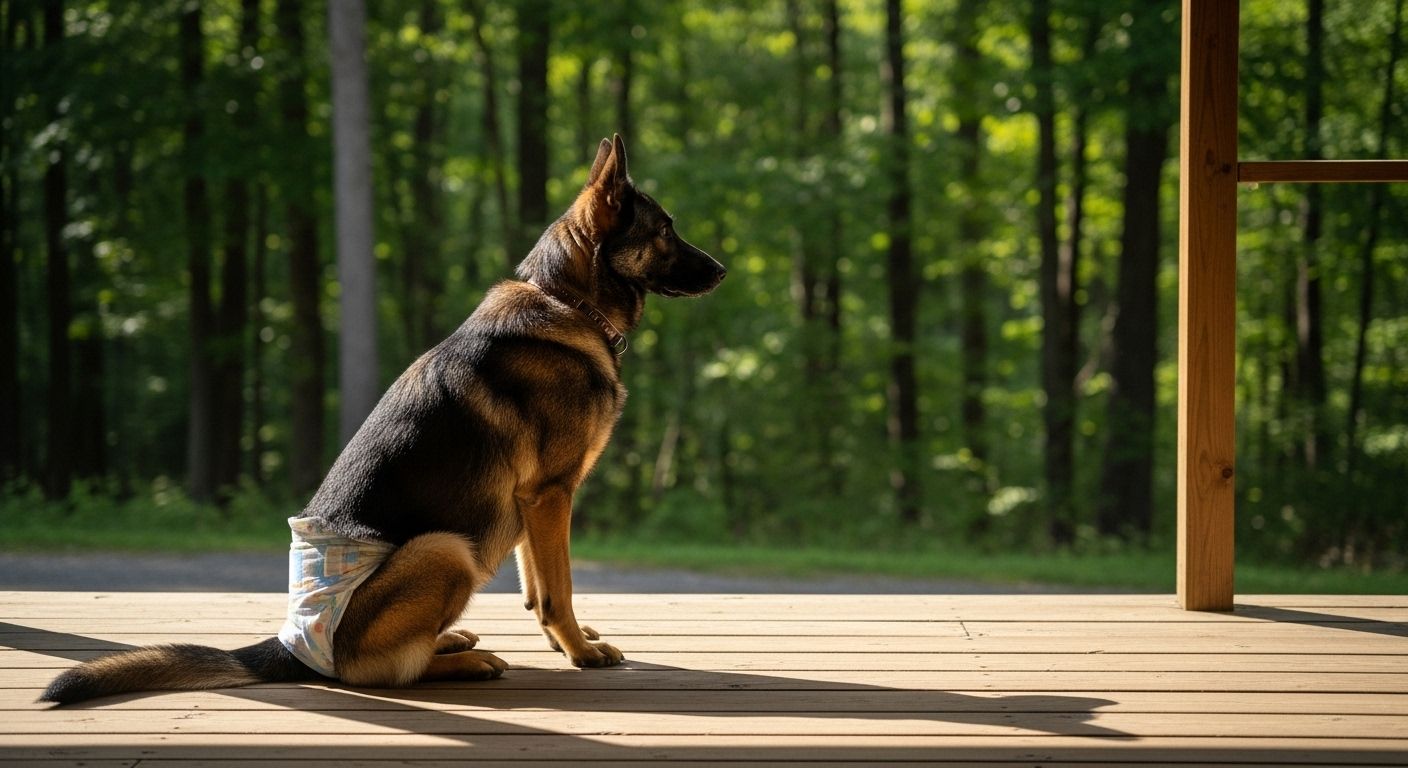
Every intact female dog enters estrus, commonly known as "heat", roughly twice a year. A common question for new owners is: Dogs in heat, how long does it last? According to the American Kennel Club (AKC), the cycle typically lasts between two to four weeks. Tracking this on a calendar helps you prepare for the next cycle.
During the first week, you will notice a watery, blood-tinged discharge. This is usually when owners start searching for dog period pads or washable dog diapers. By week two, vaginal swelling peaks and hormonal changes occur. While period diapers for dogs do not prevent pregnancy, they serve three vital functions:
- Hygiene: They seal away discharge, protecting rugs, car seats, and bedding. If accidents happen before you get the diaper on, check our guide on how to clean messes out of carpet.
- Protection: They curb the excessive licking that can leave skin raw and irritated.
- Signaling: They visually alert visitors and other owners that your dog is currently fertile.
Additionally, using a diaper allows you to monitor discharge color, which can be an early indicator of health issues like pyometra.
Diaper Types and Features
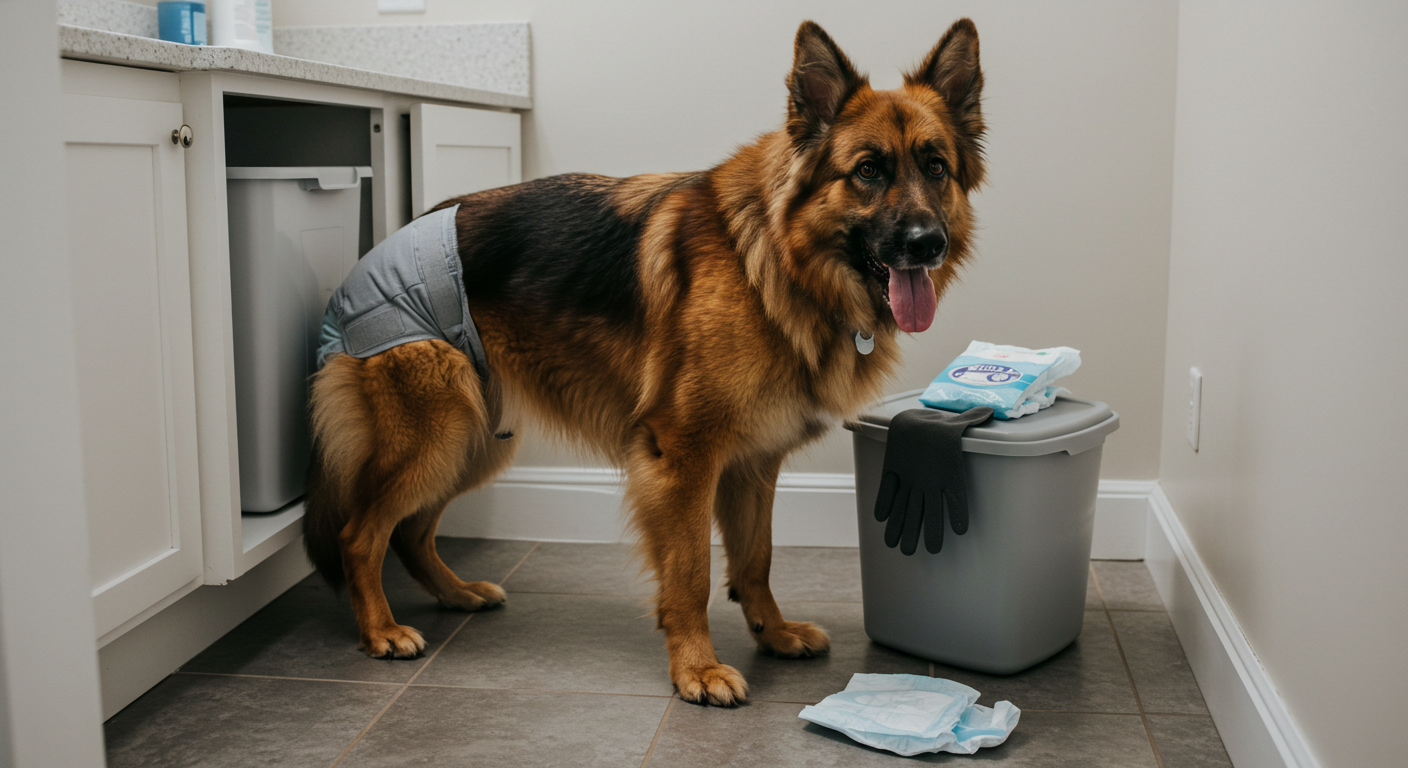
When browsing for dog diapers for heat, the options can be overwhelming. From disposable wraps to dog menstrual diapers, choosing the right style depends on your lifestyle and your dog's activity level.
Styles and Closures
- Disposable Wraps: Ideal for travel or short-term use. They are convenient but create more waste.
- Washable Dog Diapers: Made of soft cotton or microfiber with a waterproof shell. These are cost-effective for long-term use.
- Hybrid Boosters: A reusable shell paired with replaceable period pads for dogs. This allows for quick changes without washing the entire garment.
Closures typically feature Velcro, plastic snaps, or elastic waistbands. Velcro is user-friendly, while snaps offer durability. If you are managing scents alongside the mess, consider using menthol spray for dogs in heat to mask odors that attract males.
Sizing Guidelines
Proper fit is crucial. Measure the narrowest part of your dog's waist in front of the hind legs. You should be able to slip one finger under the tape measure.
- Too loose? The diaper will slide off during movement.
- Too tight? It may cause chafing or restrict blood flow.
For breeds with unique body shapes, look for dog diapers for females that include adjustable straps or suspenders to keep the garment secure.
Absorbency and Liners
For heavy bleeders, check the absorption capacity (often listed in milliliters). A 150-ml core is suitable for large breeds, while 50-ml works for smaller dogs. To save money, you can place a standard dog period pad or even a human panty liner inside a washable diaper.
Tip: If your dog sleeps on light-colored furniture, double up with an extra insert at night for peace of mind.
Measuring and Fitting
A perfect fit prevents leaks and keeps your dog comfortable. Follow these steps to ensure your period diapers for dogs stay in place.
- Gather Supplies: Have your tape measure, the diaper, and treats ready.
- Verify Size: Always measure twice. If your dog is between sizes, choose the larger option to prevent pinching.
- Tail Placement: Guide the tail gently through the hole. Understanding your dog's tail position can help you maneuver them without causing stress.
- Secure and Test: Fasten the tabs and perform the "finger test", ensure two fingers fit comfortably under the waistband.
Watch for rubbing near the groin. If the diaper shifts significantly when your dog sits or walks, you may need to adjust the fit or try a different brand of female dog diapers.
Application Step-by-Step
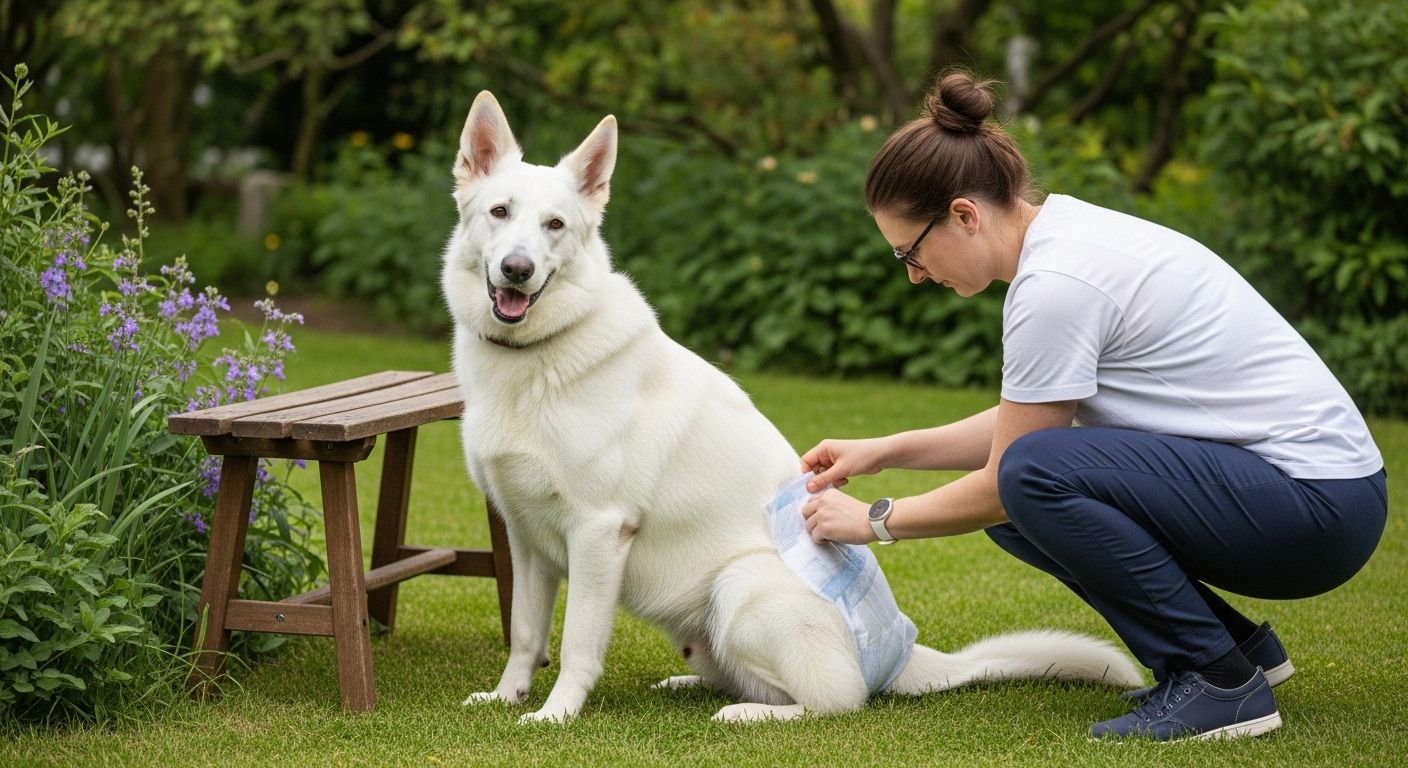
Consistency transforms diaper changes from a chore into a simple routine. Using positive reinforcement training can help your dog associate the diaper with rewards.
Morning Routine
- Praise First: Offer a treat before bringing out the diaper.
- Prep the Pad: Smooth out any ridges in the dog menstrual pad to prevent pressure points.
- Secure: Slide it on, tail first, and fasten the tabs.
- Reward: Celebrate with a game or treat immediately after.
Always remove the diaper before sending your dog outside to potty. If an accident happens inside the diaper, change it immediately to prevent urine scald.
Mid-Day Checks
Check the diaper every four hours, or more frequently during the heaviest part of the cycle. Use a fragrance-free wipe to clean the area if needed. Pads for dogs in heat trap moisture against the skin, so frequent checks are essential for health.
Evening Routine
- Remove Gently: Peel tabs slowly to avoid pulling fur.
- Cleanse: Use a warm, damp cloth or dog-safe wipe.
- Inspect: Look for signs of infection or unusual discharge.
- Wash: Rinse washable dog diapers in cold water before machine washing.
Hygiene and Troubleshooting
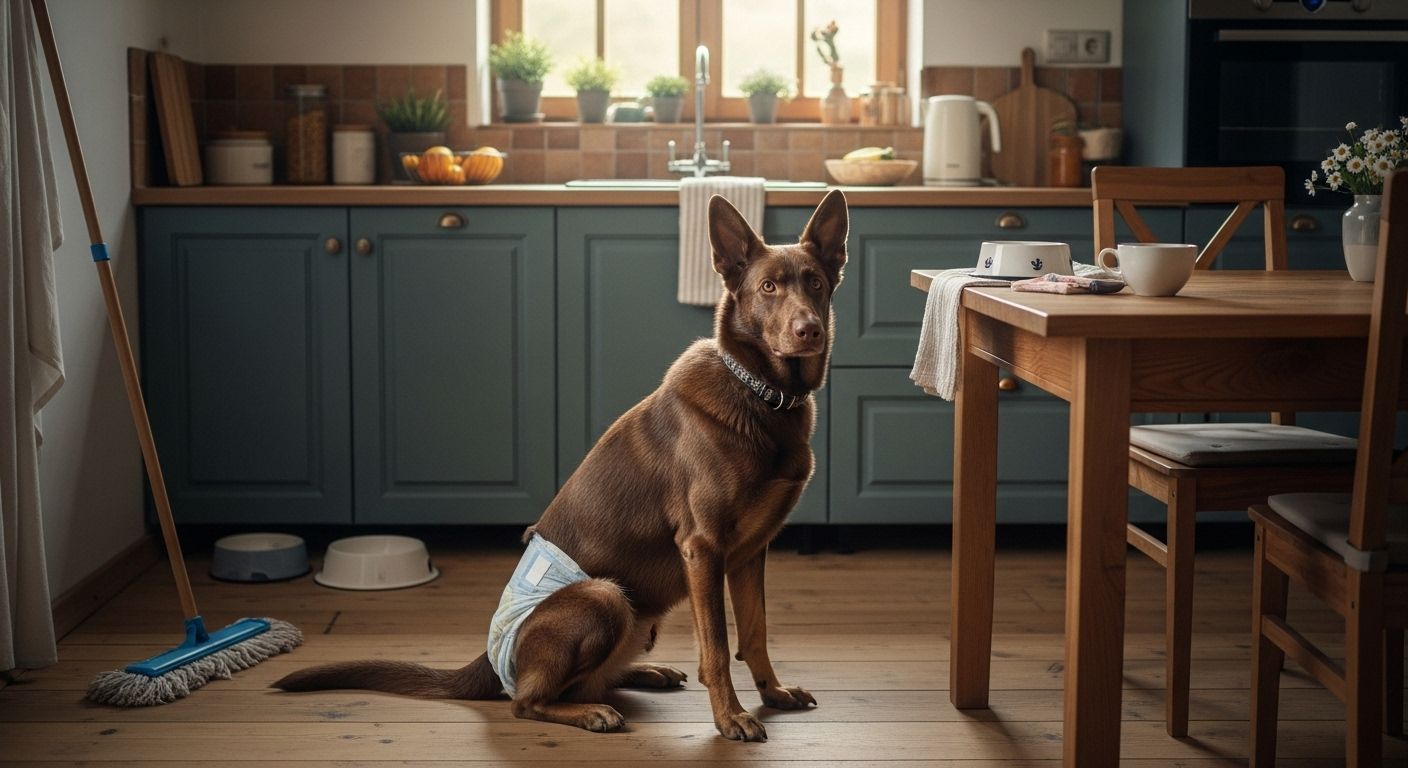
Trapped moisture and warmth can lead to bacterial infections. Proper hygiene is non-negotiable when using period diapers for dogs.
- Trim Fur: A sanitary trim around the vulva helps keep the area clean. See our grooming tips for advice on managing coats.
- Rotation: Keep at least three diapers in rotation: one on the dog, one in the wash, and one dry.
- Skin Protection: Ask your vet about using a barrier cream to protect sensitive skin.
- Odor Control: Add baking soda to your laundry to neutralize smells.
If your dog is obsessively licking the fabric or whining, the diaper may be soiled or too tight.
Common Leak Issues:
- Wrong Size: Weight fluctuations happen; re-measure every cycle.
- Saturation: Switch to higher absorbency dog period pads.
- Placement: Ensure the pad covers the vulva completely.
If bleeding persists beyond four weeks or smells foul, consult a veterinarian immediately, as this could indicate a condition like ovarian cysts or infection.
Buying and Eco-Friendly Options
The market for female dog diapers is growing, offering sustainable choices for eco-conscious owners.
- Materials: Avoid chlorine and fragrances for sensitive dogs.
- Bamboo Options: Look for compostable liners made from bamboo, which break down faster than plastic.
- Reusable Systems: Pairing a washable shell with biodegradable inserts can reduce waste by up to 80%.
You can often find high-quality diapers at local pet stores or major online retailers. For budget-friendly options, consider gently used gear, but ensure you sanitize them thoroughly with hot water.
Conclusion
Managing a heat cycle doesn't have to be a disaster for your home hygiene. With the right period diapers for dogs, you can turn a messy few weeks into a manageable routine. Remember to keep backup dog period pads on hand, maintain a strict cleaning schedule, and monitor your dog's health closely. By following these steps, you can protect your home and keep your furry best friend happy and comfortable.